Why DIY Tree Removal Can Be Dangerous and Costly in the Long Run
Tree removal may appear as a manageable task for homeowners looking to save on costs or tackle yard maintenance themselves. After all, with the plethora of online tutorials, rental equipment, and chainsaws available, it might seem feasible to handle a tree removal project independently. However, what many underestimate is the complexity, physical demands, and inherent risks associated with cutting down trees. From property damage to personal injury, DIY tree removal carries risks that far outweigh potential savings. Understanding these dangers is crucial for anyone considering tackling tree removal without professional assistance.
Beyond the immediate safety concerns, DIY tree removal can also lead to long-term financial implications. A misjudged cut or improper technique can cause significant damage to surrounding structures, underground utilities, or even neighboring properties. Furthermore, handling large trees without professional expertise often leads to incomplete removal, resulting in regrowth, disease, or pest infestations. In this blog, we will explore why DIY tree removal is not only dangerous but also potentially costly in the long run. We will provide actionable insights, expert reasoning, and best practices for safely managing tree removal, emphasizing why hiring experienced professionals is often the most sensible choice.
The Hidden Dangers of DIY Tree Removal
Physical Risks to Homeowners
DIY tree removal is deceptively hazardous. One of the most significant risks is personal injury, which can range from minor cuts to life-threatening accidents. Chainsaws, axes, and other cutting tools are inherently dangerous, especially when used by individuals without proper training. According to the U.S. Consumer Product Safety Commission, thousands of homeowners suffer chainsaw-related injuries annually, many of which could have been prevented with professional intervention.
Common Injuries
- Lacerations from improper chainsaw handling
- Broken bones from falling limbs or trees
- Head trauma from tree branches or debris
- Muscle strains from lifting or maneuvering heavy logs
Even experienced DIY enthusiasts may underestimate the unpredictability of a falling tree. Trees can split, roll, or shift unexpectedly during cutting, creating serious hazards for anyone nearby. Additionally, uneven terrain, wet conditions, or windy weather can amplify these risks, making a controlled removal nearly impossible without professional expertise.
Environmental and Structural Risks
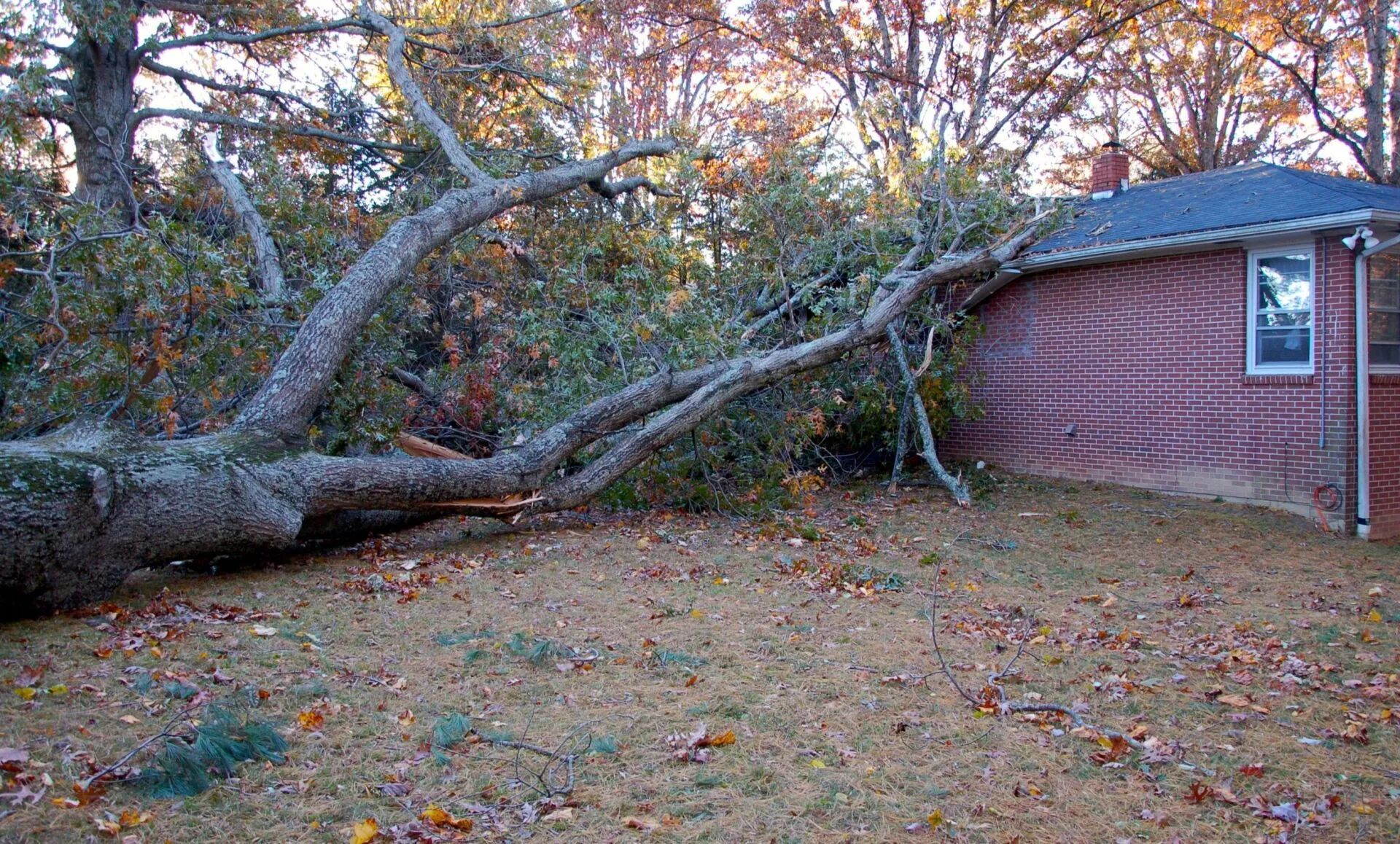
Trees are complex structures with deep roots and extensive canopies. Attempting to remove them without proper planning can result in property damage or environmental disruption. Improper cuts may cause a tree to fall in unintended directions, potentially damaging homes, vehicles, fences, or utility lines. Underground roots can also interfere with plumbing or irrigation systems if not carefully excavated.
Real-World Scenario
Consider a homeowner attempting to remove a large oak tree near their garage. Without proper assessment and equipment, the tree could lean unexpectedly during cutting, crashing into the garage and causing thousands of dollars in repairs. Beyond property damage, such incidents can result in liability issues if neighboring properties are affected.
The Financial Implications of DIY Tree Removal
Underestimating Costs
While DIY tree removal may initially seem cost-effective, the hidden expenses often outweigh the savings. Rental equipment, safety gear, transportation, and disposal fees accumulate quickly. A chainsaw capable of handling large trees, for example, can cost hundreds of dollars, and renting professional-grade equipment adds additional expenses.
Equipment and Gear
- Chainsaws or hand saws suitable for large trees
- Safety gear, including helmets, gloves, eye protection, and steel-toed boots
- Ladders, ropes, and harnesses for high branches
- Trailers or dump services for debris removal
Without proper tools, attempting to remove a tree can lead to inefficient cutting, incomplete removal, or repeated attempts, further increasing costs.
Long-Term Financial Consequences
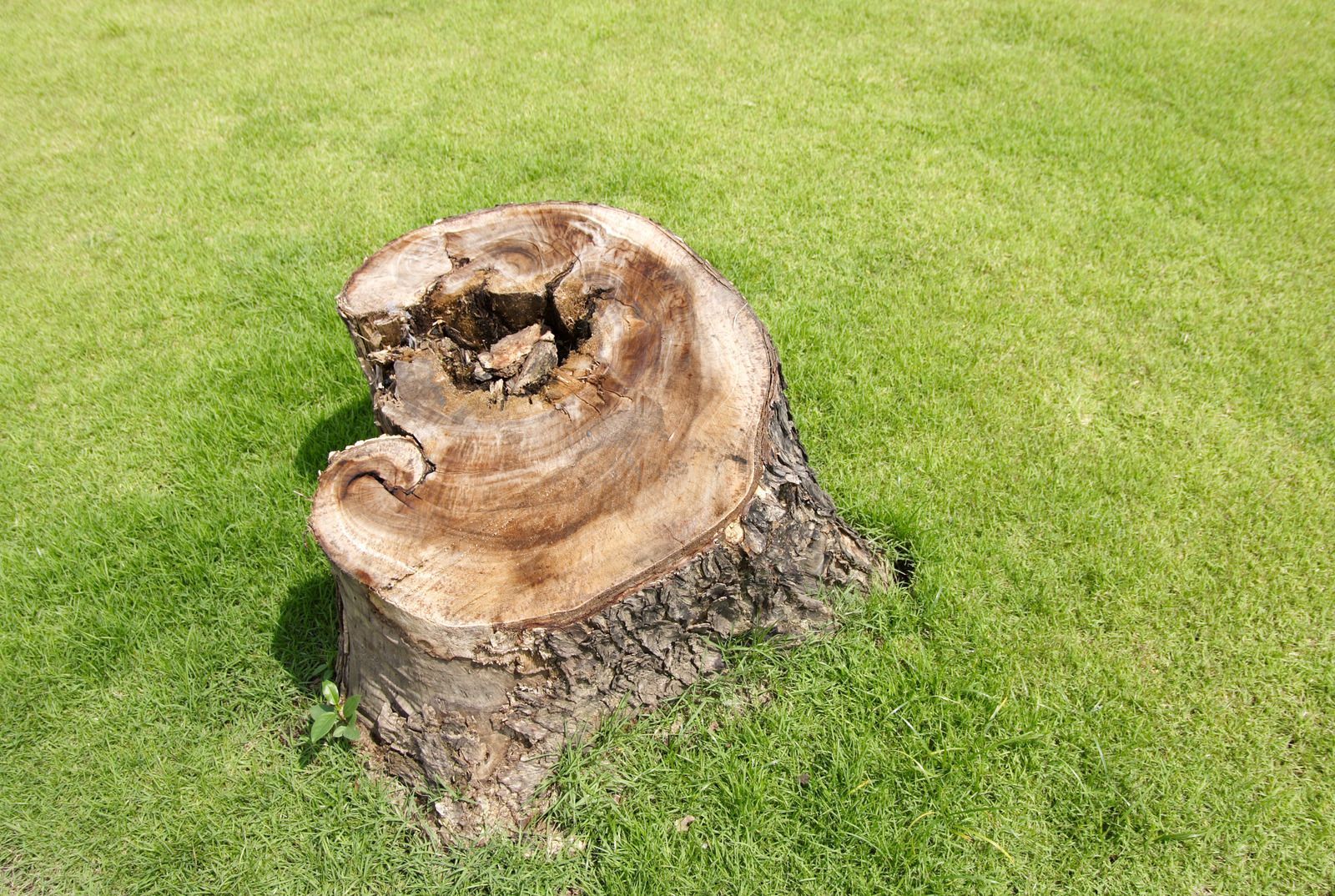
Improper removal can also create long-term financial burdens. For example, leaving stumps behind may require chemical treatments or grinding to prevent regrowth. Incomplete removal can lead to tree decay or pest infestations that spread to other plants, requiring additional intervention. In some cases, accidental property damage or injuries may lead to insurance claims or out-of-pocket expenses that far exceed the cost of professional services.
Technical Challenges of Tree Removal
Understanding Tree Biology and Structure
Trees are living organisms with complex structures, including trunks, roots, branches, and canopies. Professional arborists are trained to assess tree health, identify weak points, and determine the safest removal method. Without this knowledge, DIY attempts can compromise both safety and efficiency.
Key Considerations
- Identifying tree species and wood density
- Evaluating structural integrity and potential rot
- Assessing root systems and underground hazards
- Determining fall direction and clearance requirements
Misjudging any of these factors can lead to accidents or incomplete removal, highlighting the importance of expert evaluation.
Proper Cutting Techniques
Professional tree removal relies on precise cutting techniques to ensure control and safety. Common methods include notch cuts, back cuts, and sectional removal for larger trees. Incorrectly executed cuts can cause trees to split unpredictably, injuring the homeowner or damaging property.
Sectional Removal
Large trees often need to be dismantled piece by piece rather than felled in one go. This approach requires specialized ropes, pulleys, and rigging systems to guide each segment safely to the ground. Attempting this without experience can be extremely dangerous and increase the likelihood of accidents.
Legal and Regulatory Considerations
Permits and Local Regulations
Many municipalities, including Salem, OR, have regulations regarding tree removal, particularly for large or protected species. Homeowners attempting DIY removal may inadvertently violate local codes, resulting in fines or legal complications.
Common Requirements
- Tree removal permits for specific tree species or sizes
- Notifications to local authorities or neighbors
- Compliance with environmental protection laws
Hiring a professional arborist ensures that all regulatory requirements are met, avoiding potential legal issues.
Liability Concerns
DIY tree removal exposes homeowners to liability risks. If a tree falls on a neighbor’s property or causes injury to passersby, the homeowner could face lawsuits or insurance claims. Professionals carry liability insurance to cover such incidents, offering peace of mind and legal protection.
The Expertise Advantage: Why Professionals Are Worth It
Safety First
Professional tree removal services prioritize safety. Arborists undergo extensive training in equipment handling, cutting techniques, and emergency response. Their expertise ensures that trees are removed efficiently and safely, minimizing the risk of injury or property damage.
Equipment Professionals Use
- High-powered chainsaws with safety features
- Cranes or bucket trucks for large trees
- Ropes, harnesses, and rigging systems for controlled removal
- Stump grinders and debris removal tools
These tools, combined with experience, allow professionals to handle even the most challenging tree removal scenarios with minimal risk.
Cost-Effectiveness in the Long Run
While DIY removal may seem cheaper initially, professional services often save money over time. Experts can remove trees safely and completely, reducing the likelihood of additional costs related to property damage, stump removal, or pest management. They also offer disposal services, eliminating the need for separate hauling and dumping arrangements.
Real-World Example
A Salem homeowner attempted to remove a 50-foot pine tree independently. The tree split mid-fall, damaging their fence and part of the driveway. Repair costs exceeded $5,000, significantly more than hiring a professional from the outset. This scenario illustrates how professional intervention can prevent costly mistakes and ensure efficient, safe removal.
Additional Risks of DIY Tree Removal
Weather and Environmental Factors
Weather conditions play a crucial role in tree removal. Rain, wind, or icy conditions can make trees slippery or unstable, increasing the likelihood of accidents. Professionals monitor environmental factors and schedule removal during safe conditions, reducing unnecessary risks.
Hidden Hazards
Trees can conceal hazards such as nests, electrical lines, or underground utilities. DIY removal without proper inspection increases the risk of encountering these dangers. Professionals conduct thorough site assessments to identify potential hazards and implement precautionary measures before beginning work.
Incomplete Removal and Regrowth
Removing only portions of a tree or neglecting the root system can lead to regrowth, disease, or structural instability in remaining stumps. Professional arborists ensure complete removal and proper stump treatment to prevent future issues, saving homeowners time, effort, and money in the long run.
Professional Tree Services Backed by Thirty Years
DIY tree removal can seem like a cost-saving project, but the associated risks and long-term costs often outweigh any perceived benefits. Homeowners face significant physical dangers, potential property damage, legal liabilities, and environmental challenges. Incomplete or improper removal can lead to regrowth, disease, pest infestations, and unexpected expenses, making professional intervention the safer and more efficient choice.
For property owners in Salem, OR, choosing an experienced tree removal service ensures peace of mind and optimal results. J & J Stump & Tree Removal, with 30 years of experience, specializes in safe, efficient, and comprehensive tree services. Their team of certified arborists combines technical expertise with industry-grade equipment to handle tree removal projects of any scale. By assessing each site carefully and implementing controlled removal techniques, J & J Stump & Tree Removal
minimizes risk while protecting your property. Beyond safety, they provide thorough cleanup, stump grinding, and debris disposal, saving homeowners time and effort. For decades, they have earned a reputation for professionalism, reliability, and dedication to customer satisfaction. Investing in expert tree removal not only preserves the safety and beauty of your property but also ensures long-term financial and environmental benefits. Trusting professionals like J & J Stump & Tree Removal
is a decision that prioritizes safety, efficiency, and peace of mind.