Common Tree Diseases Found in Oregon and How to Spot Them Early
Oregon’s diverse climate and rich soil provide an ideal environment for a wide variety of trees, from Douglas firs to maples and oaks. While these trees enhance landscapes, support wildlife, and improve air quality, they are vulnerable to numerous diseases that can compromise their health and longevity. Early detection of tree diseases is critical to maintaining healthy urban forests and residential landscapes. Recognizing the early signs of infection allows for timely intervention, potentially saving trees from irreversible damage and costly removal. For homeowners, landscapers, and arborists, understanding the most common tree diseases in Oregon ensures proactive care, preserving both aesthetic appeal and ecological balance.
Climate patterns in Oregon, including wet winters and humid summers, create conditions conducive to fungal growth, bacterial infections, and infestations that weaken trees. In addition, urban development and soil compaction can stress trees, making them more susceptible to disease. By learning to identify symptoms such as discolored leaves, unusual bark patterns, or abnormal growths, preventive measures can be applied before the disease spreads. Early recognition not only promotes tree health but also supports property value, reduces maintenance costs, and protects surrounding vegetation. This guide explores the most prevalent tree diseases in Oregon, offering actionable strategies for spotting problems early and maintaining robust, thriving trees.
1. Fungal Infections Affecting Oregon Trees
a. Powdery Mildew
Powdery mildew is a fungal infection that commonly affects ornamental and deciduous trees in Oregon. It thrives in moderate humidity and shaded areas, particularly on maples, hawthorns, and oaks. Early signs include a white, powdery coating on leaves, buds, and young stems. Leaves may curl, yellow, or drop prematurely if left untreated.
Prevention and Management: Regular pruning to improve air circulation reduces the likelihood of infection. Applying fungicides at the first signs of mildew can limit spread, especially in susceptible species. Avoid overhead watering and ensure proper spacing between trees to minimize damp conditions.
b. Anthracnose
Anthracnose affects a wide range of Oregon trees, including sycamores, ash, and dogwoods. This fungal disease causes dark, sunken lesions on leaves, stems, and branches, often appearing during wet spring months. Severe infections may lead to defoliation and weakened growth.
Early Detection Tips: Inspect trees in early spring for irregular brown spots on emerging leaves. Prompt removal of infected leaves and branches prevents further contamination. Applying a fungicidal spray before bud break can reduce infection risk.
c. Root and Collar Rot
Root and collar rot, caused by Phytophthora species, targets the base of trees and roots, impeding water and nutrient absorption. Symptoms include wilting, leaf yellowing, and reduced growth. This disease often develops in poorly drained soil or areas with excessive irrigation.
Preventive Measures: Ensure proper drainage and avoid planting in waterlogged locations. Removing infected trees promptly prevents the spread to nearby healthy trees. Mulching around the root zone helps regulate soil moisture but should not contact the trunk directly.
2. Bacterial Diseases Impacting Oregon Trees
a. Bacterial Leaf Scorch
Bacterial leaf scorch affects trees such as oaks, maples, and elms. The infection blocks water transport within the tree, causing leaf edges to turn brown while veins remain green. Over time, the tree may experience dieback, reduced vigor, and increased susceptibility to other pathogens.
Spotting Early Symptoms: Inspect leaves for marginal browning during mid-to-late summer. Early treatment involves deep irrigation, mulching, and proper pruning to remove stressed branches. Bactericides have limited effectiveness; maintaining overall tree health is the most effective approach.
b. Fire Blight
Fire blight primarily affects pear, apple, and hawthorn trees. This bacterial disease causes leaves, blossoms, and branches to appear scorched or blackened, often curling and hanging on the tree. Warm, wet springs accelerate bacterial growth, allowing rapid spread.
Early Intervention Techniques:
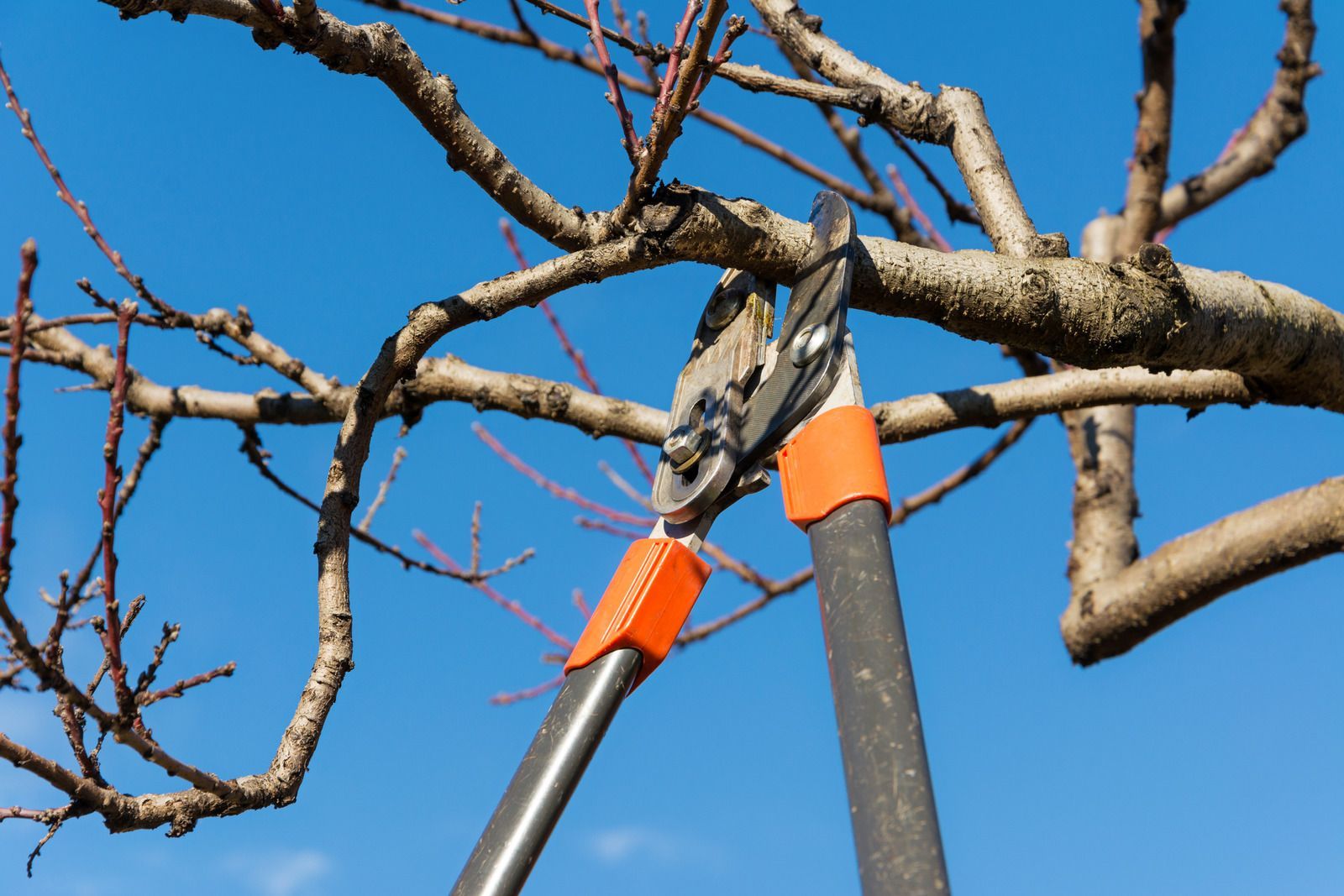
Prune infected branches at least 12 inches below visible damage during dry periods to reduce spread. Sterilizing pruning tools between cuts prevents contamination. Copper-based sprays may reduce infection when applied at early bloom stages.
3. Viral Infections and Their Indicators
a. Mosaic Viruses
Mosaic viruses, such as Tobacco Mosaic Virus, can affect maples, elms, and fruit trees. Symptoms include mottled or streaked leaves, stunted growth, and reduced vigor. Viral infections often spread via contaminated tools, insects, or infected nursery stock.
Detection and Response: Regularly inspect leaves for unusual patterns and discoloration. Remove severely infected trees to prevent transmission. Sanitizing tools and avoiding propagation from infected material reduces risk.
b. Decline Syndromes
Some viral infections manifest as gradual decline, characterized by dieback, slow leaf production, and reduced growth over several seasons. Stress factors, including drought, soil compaction, and insect infestations, often exacerbate viral impacts.
Mitigation Strategies: Maintain soil health through proper fertilization and irrigation. Monitor for secondary infections and pests that may further weaken the tree. Early intervention can prolong tree life even if the virus is present.
4. Insect-Associated Diseases
a. Dutch Elm Disease
Dutch elm disease is a fungal pathogen spread by elm bark beetles, primarily affecting American elms. Infected trees show yellowing leaves, wilting, and branch dieback. Rapid progression can kill a tree within weeks to months.
Prevention and Early Recognition:
Monitor for beetle activity and remove infected wood promptly. Avoid pruning during beetle flight periods in spring and early summer. Systemic fungicide injections may protect high-value trees.
b. Oak Wilt
Oak wilt is caused by the fungus Bretziella fagacearum and spreads through root grafts and beetle vectors. Red and white oaks are particularly susceptible. Symptoms include leaf discoloration, rapid wilting, and branch dieback.
Early Detection Tactics:
Look for pale green leaves turning bronze or brown, typically starting at the crown. Trenching to sever root connections between infected and healthy trees prevents underground spread. Immediate removal of affected trees reduces the risk to surrounding oaks.
c. Emerald Ash Borer-Related Decline
While the emerald ash borer is an invasive insect rather than a pathogen, its infestation often results in secondary fungal infections and ash tree mortality. Signs include canopy thinning, D-shaped exit holes, and vertical bark splits.
Management Techniques: Early identification through regular bark inspections and canopy monitoring allows timely removal or treatment. Systemic insecticides can protect high-value trees in urban landscapes.
5. Environmental and Stress-Related Tree Disorders
a. Physiological Leaf Spotting
Oregon trees may develop leaf spots due to environmental stressors, including excessive sunlight, nutrient deficiencies, or pollution. These spots often resemble fungal infections but are abiotic in nature.
Early Monitoring: Regularly check foliage for unusual spotting patterns. Conduct soil tests and address nutrient imbalances. Adjust irrigation to prevent water stress, which can exacerbate susceptibility to fungal or bacterial infections.
b. Winter and Frost Damage
Cold winters can cause frost cracks, dieback, and leaf necrosis, making trees vulnerable to opportunistic pathogens. Early spring inspection often reveals splitting bark or browned leaf tips.
Preventive Measures: Select species adapted to Oregon’s climate, provide winter mulching, and avoid late-season fertilization that promotes tender growth susceptible to frost. Prune damaged branches promptly to minimize secondary infection.
c. Urban Stress Factors
Trees in urban areas face compaction, limited root space, and pollution, all of which increase susceptibility to disease. Stress weakens natural defenses and accelerates decline when pathogens are present.
Management Practices: Mulch properly, avoid soil compaction near root zones, and provide supplemental irrigation during dry periods. Regular monitoring and timely pruning maintain tree vigor and resilience against infection.
6. Best Practices for Early Disease Detection
a. Regular Inspections
Conduct visual inspections at least twice per year, focusing on leaves, bark, and branches. Seasonal changes reveal patterns of stress or infection that may otherwise go unnoticed. Early identification of unusual growths, discoloration, or wilting is essential for effective management.
b. Knowledge of Local Tree Species
Understanding the typical growth patterns and vulnerabilities of common Oregon trees allows for quicker recognition of anomalies. Maples, Douglas firs, oaks, and fruit trees each display unique responses to pathogens. Familiarity with these traits enhances early detection accuracy.
c. Prompt Action and Record Keeping
Documenting observations, including photographs and dates, provides a history of tree health and guides intervention strategies. Prompt removal of infected material, targeted treatments, and adjusted care routines prevent widespread damage and protect neighboring trees.
d. Leveraging Professional Support
Consulting certified arborists for suspected infections or severe outbreaks ensures accurate diagnosis and safe intervention. Professional assessment is particularly important for high-value or heritage trees, where improper treatment may exacerbate problems.
Trusted Expert Insights for Maintaining Healthy Oregon Trees
Maintaining healthy trees in Oregon requires vigilance, knowledge, and proactive care. Fungal infections, bacterial diseases, viral syndromes, insect-related decline, and environmental stressors all pose significant threats to tree longevity. Early recognition of symptoms such as leaf discoloration, bark anomalies, or abnormal growth patterns is critical to effective disease management. By adopting preventive measures, performing regular inspections, and taking timely action, tree health can be preserved, reducing the risk of costly removals and maintaining aesthetic and ecological benefits.
At J & J Stump & Tree Removal, located in Salem, Oregon, over 30
years of experience has built a foundation of trust, expertise, and exceptional service in
tree care. Understanding local tree species, common diseases, and early detection strategies allows us to provide precise, effective solutions. Every inspection, pruning, and removal is conducted with safety, efficiency, and long-term tree health in mind. With decades of hands-on experience, advanced tools, and a commitment to community landscapes, we ensure trees thrive while mitigating risks. Partnering with us means relying on proven knowledge, professional execution, and a passion for maintaining Oregon’s vibrant greenery. Whether addressing a minor infection or managing a larger outbreak, we bring comprehensive, reliable solutions tailored to every property and tree type.