Why Dead Trees Should Be Removed Before Oregon’s Winter Storm Season?
Oregon’s winter storm season brings a unique set of challenges for property owners. Heavy rainfall, strong winds, saturated soil, ice accumulation, and occasional snowstorms place tremendous stress on trees throughout residential and commercial landscapes. While healthy trees are often capable of withstanding seasonal weather conditions, dead trees present a significantly different risk. Without living tissues to provide structural strength and flexibility, dead trees become unstable and vulnerable to failure during severe weather events. What may appear to be a harmless standing tree during the summer months can quickly become a major hazard when winter storms arrive. As a result, proactive tree management has become an important part of property maintenance across Oregon.
Removing dead trees before winter is not simply a matter of improving appearance. It is a critical safety measure that helps protect homes, vehicles, utility lines, businesses, and people from preventable damage. Tree care professionals routinely identify dead trees as one of the leading causes of storm-related property incidents because weakened trunks and branches are far more likely to break under environmental stress. Understanding why dead trees pose such significant risks and recognizing the benefits of timely removal can help property owners make informed decisions before severe weather conditions develop. Preparing landscapes before winter arrives is one of the most effective ways to reduce hazards and protect valuable property investments.
Understanding Why Dead Trees Become Dangerous
Structural Integrity Declines Over Time
A dead tree no longer produces nutrients or moisture that support healthy wood fibers. As decomposition begins, the tree gradually loses strength throughout its trunk, limbs, and root system. Internal decay may not always be visible from the outside, making some dead trees appear more stable than they actually are.
Over time, wood becomes brittle and unable to flex under pressure. When strong winds or heavy precipitation occur, weakened sections are far more likely to crack, split, or collapse. This deterioration often accelerates after the tree has been dead for an extended period.
Winter Weather Amplifies Existing Weaknesses
Winter storms introduce forces that dead trees are rarely able to withstand. Wind gusts create significant movement in branches and trunks. Heavy rainfall saturates the soil around root systems, reducing stability. Snow and ice add weight to already weakened limbs.
When these conditions occur simultaneously, the likelihood of tree failure increases dramatically. A tree that remains standing through mild weather can suddenly become unstable during a single storm event.
Hidden Risks Often Go Unnoticed
Many property owners focus on visible signs of damage while overlooking internal decay. Dead trees can appear intact even when substantial deterioration exists beneath the bark. Cavities, fungal growth, insect infestations, and root decay often weaken structural components long before obvious symptoms appear.
Professional inspections help identify risks that are difficult to detect from ground level. Early assessment allows property owners to address hazards before winter weather exposes underlying weaknesses.
How Dead Trees Threaten Property During Winter Storms
Damage to Homes and Buildings
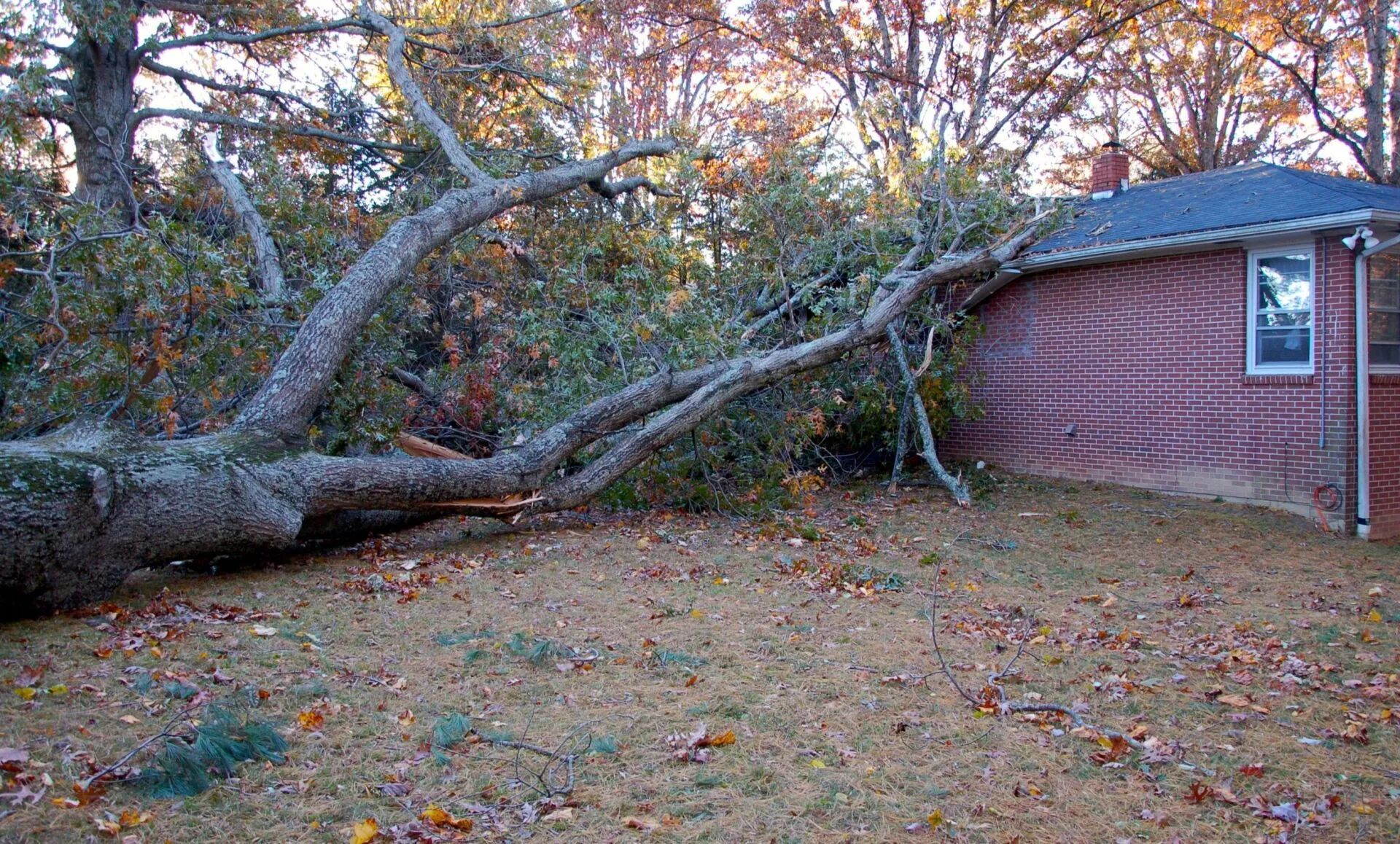
One of the most significant concerns associated with dead trees is the potential for structural damage. Falling trunks or large branches can strike roofs, siding, windows, garages, sheds, and other structures. Even relatively small limbs can cause costly repairs when driven by high winds.
In many cases, storm-related tree damage occurs unexpectedly during overnight weather events. Property owners often discover the problem only after significant destruction has already occurred.
Vehicle and Equipment Damage
Driveways, parking areas, and roadways frequently sit beneath mature tree canopies. A falling branch or collapsing tree can easily damage vehicles, trailers, recreational equipment, or outdoor machinery.
Repair costs associated with vehicle damage can be substantial, particularly when large sections of a tree impact multiple vehicles simultaneously. Preventive removal is often far less expensive than dealing with storm-related repairs.
Utility Line Hazards
Dead trees located near power lines present additional concerns during Oregon's winter storm season. Falling branches can disrupt electrical service, create dangerous live-wire situations, and contribute to widespread outages.
Utility interruptions affect homes, businesses, and essential services. Removing hazardous trees before severe weather develops helps reduce the likelihood of service disruptions and emergency response situations.
Increased Liability Exposure
Property owners have a responsibility to address known hazards when possible. If a dead tree causes injury or damages neighboring property, liability concerns may arise.
Taking proactive action demonstrates responsible property maintenance while reducing potential legal and financial complications associated with preventable incidents.
Safety Risks to Families, Visitors, and Communities
Falling Limbs Can Cause Serious Injuries
Dead branches often break without warning. During windy conditions, even moderate-sized limbs can fall from considerable heights. These falling sections create serious risks for anyone walking, working, or spending time nearby.
Children, visitors, delivery personnel, and maintenance workers may be exposed to hazards if dead trees remain on a property. Removing dangerous trees helps create a safer environment for everyone.
Emergency Access Can Be Obstructed
When trees collapse during storms, they can block driveways, private roads, and access routes. This becomes particularly concerning during emergencies when first responders need unobstructed access to a property.
Proactive tree removal helps ensure that emergency vehicles can reach homes and businesses when needed.
Neighborhood-Wide Impacts
Tree failures rarely affect only one property. Large trees can fall across fences, roads, neighboring yards, and shared utility corridors. In densely developed areas, a single dead tree may impact multiple properties simultaneously.
Removing hazardous trees contributes to broader community safety and reduces the likelihood of widespread storm-related disruptions.
The Financial Benefits of Removing Dead Trees Early
Preventing Expensive Storm Damage
Many property owners delay tree removal because they view it as an avoidable expense. However, the financial consequences of storm-related damage often exceed the cost of preventive action.
Roof repairs, structural reconstruction, vehicle damage, debris removal, and utility restoration can quickly accumulate into significant expenses. Addressing tree hazards before winter arrives often results in substantial long-term savings.
Avoiding Emergency Service Costs
Emergency tree removal typically costs more than scheduled removal services. Storm conditions create additional challenges that require specialized equipment, urgent response times, and increased safety precautions.
Planning removal before severe weather develops allows work to be completed under safer and more controlled conditions.
Protecting Property Value
A well-maintained landscape contributes positively to overall property value. Dead trees can create negative impressions and raise concerns among potential buyers regarding safety and maintenance.
Removing hazardous trees demonstrates responsible property care while improving the appearance and functionality of outdoor spaces.
Reducing Long-Term Maintenance Issues
Dead trees continue to deteriorate over time. As decomposition progresses, branches begin falling more frequently, creating ongoing cleanup requirements. Pest activity may also increase as insects target decaying wood.
Removing dead trees eliminates recurring maintenance challenges and reduces future management costs.
Best Practices for Identifying and Removing Dead Trees
Recognizing Common Warning Signs
Several indicators may suggest that a tree is dead or experiencing severe decline. Property owners should watch for:
Absence of Leaves During Growing Seasons
Trees that fail to produce leaves while surrounding trees remain healthy may be dead or dying.
Extensive Bark Loss
Large areas of missing bark often indicate declining health and structural deterioration.
Brittle Branches
Dead limbs frequently snap easily and lack the flexibility found in healthy wood.
Fungal Growth
Mushrooms and fungal structures near the trunk or root zone may signal internal decay.
Large Dead Sections Within the Canopy
Significant branch dieback often indicates underlying health issues that require professional evaluation.
Scheduling Professional Assessments
Tree risk assessment involves more than visual observation. Certified professionals evaluate structural stability, root condition, decay presence, canopy health, and environmental factors.
Professional evaluations provide property owners with reliable information regarding potential hazards and recommended actions.
Planning Removal Before Storm Season
Autumn is often an ideal time for identifying and removing dead trees before winter weather arrives. Scheduling work early provides flexibility and helps avoid seasonal demand increases that frequently occur after storms begin.
Early action also allows landscapes to recover before harsh weather conditions develop.
Considering Stump Removal
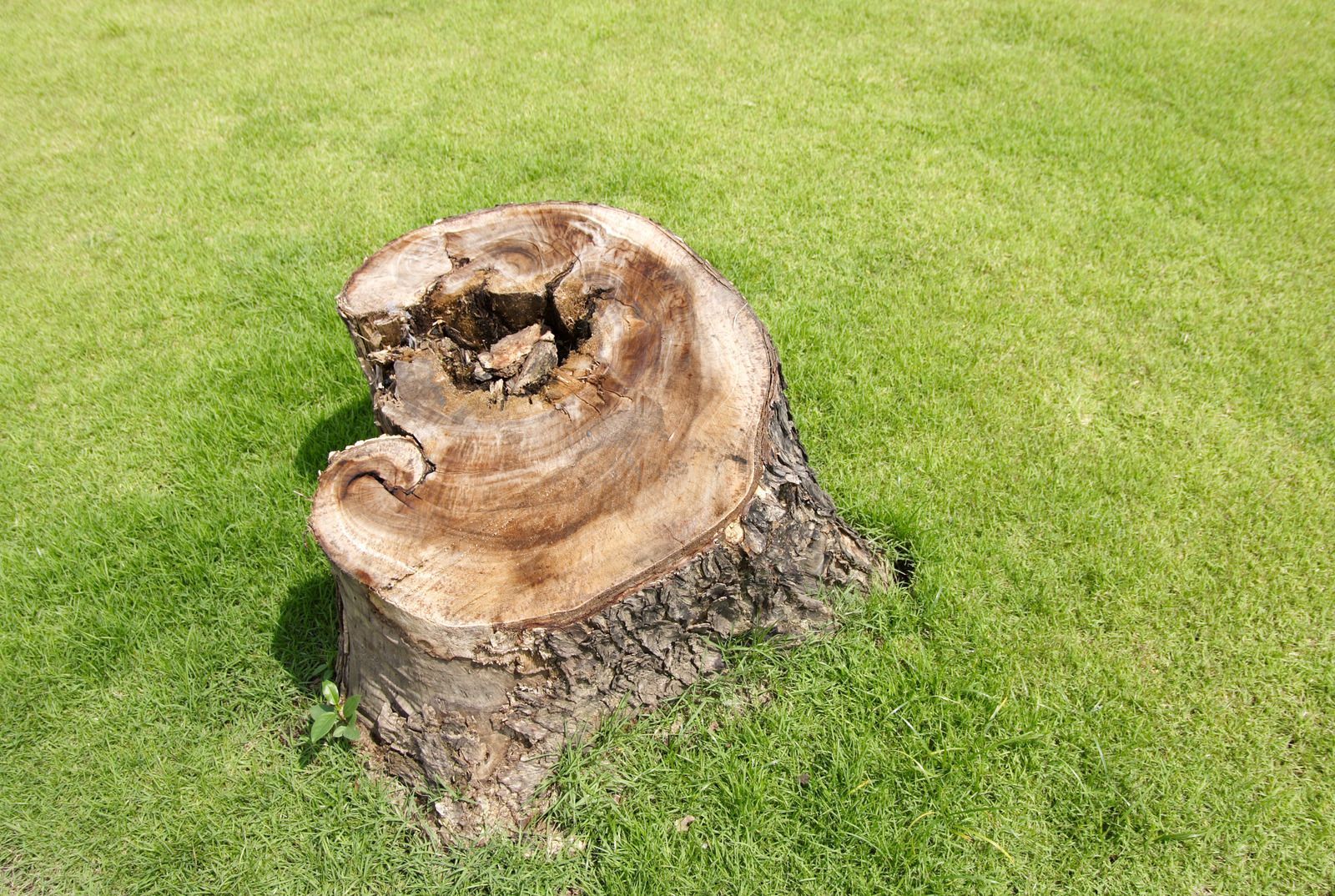
After a dead tree is removed, stump grinding may offer additional benefits. Remaining stumps can become tripping hazards, attract insects, interfere with landscaping plans, and create maintenance obstacles.
Removing both the tree and stump provides a cleaner, safer, and more functional outdoor space.
Preparing Your Property With Trusted Tree Removal Expertise
Dead trees represent one of the most preventable storm-related hazards facing Oregon property owners. Waiting until winter weather arrives often increases risks, costs, and complications. Strong winds, saturated soil, ice accumulation, and heavy rain can quickly transform a weakened tree into a serious threat to people and property. Removing dead trees before storm season begins helps protect structures, vehicles, utility lines, and surrounding landscapes while reducing the likelihood of emergency situations. Proactive planning also allows property owners to address hazards under safer conditions and avoid costly storm-related repairs.
For property owners seeking experienced tree care solutions, J & J Stump & Tree Removal
in Salem, Oregon, provides dependable service backed by over 30
years of industry experience. Our approach focuses on safety, thorough assessments, and
responsible tree removal practices
that help homeowners and businesses prepare for Oregon’s challenging winter weather. We understand the unique environmental conditions that affect local trees and recognize the warning signs that often indicate elevated storm risks. Whether addressing a single dead tree or evaluating multiple hazards across a property, we provide knowledgeable guidance and professional solutions designed to protect people and property. When winter storms approach, partnering with an experienced tree removal specialist can make a significant difference in reducing risks and preserving the long-term safety of your landscape.