How Heavy Rain and Wet Soil in the Willamette Valley Affect Tree Stability
The Willamette Valley in Oregon is renowned for its lush landscapes, thriving forests, and urban tree canopies that enhance both the natural environment and residential spaces. However, the region’s distinctive climate, characterized by frequent heavy rainfall, brings unique challenges for tree stability. Trees rely on a delicate balance between root anchorage and soil structure, and prolonged wet conditions can disrupt this balance, creating risks for uprooting, leaning, and structural damage. These challenges are especially critical in areas with older trees or dense urban development, where falling trees or limbs can cause significant property damage or safety hazards. Understanding how rainfall and saturated soil interact with tree physiology and root systems is critical for maintaining healthy, safe landscapes and ensuring long-term ecosystem resilience.
Heavy precipitation not only softens the soil but also increases the weight that roots must support, particularly for large, mature trees. Shallow-rooted species, aging trees, and those in poorly drained soils face heightened vulnerability during storms. The compounding effects of wind, soil erosion, and waterlogging can turn even seemingly healthy trees into potential hazards. Recognizing early signs of instability, evaluating soil conditions, and implementing proactive measures are essential steps to reduce risks to property and ensure tree longevity. This knowledge is not only valuable for homeowners but also for urban planners, arborists, and landscape managers committed to preserving the region’s verdant character while safeguarding safety. By taking preventive action and understanding tree-soil dynamics, landscapes can remain both beautiful and secure even during the wettest months.
1. The Impact of Heavy Rain on Soil Structure
Soil Saturation and Root Anchorage
Heavy rainfall can drastically change the physical properties of soil. Saturated soil loses cohesion, becoming soft and less capable of supporting the weight of large trees. Roots, especially those near the surface, may fail to maintain grip, increasing the likelihood of tipping or uprooting. The problem is particularly pronounced in clay-heavy soils, which retain water longer than sandy or loamy soils, creating persistent instability even after rainfall stops.
Waterlogging and Oxygen Depletion
Excess water in the soil reduces oxygen availability, leading to waterlogged conditions. Roots require oxygen for respiration, and prolonged anaerobic conditions weaken root health. Compromised roots cannot anchor the tree effectively, leaving it vulnerable during wind or additional precipitation events. Species that are less tolerant to waterlogged soils, such as Douglas firs and certain maples, show visible stress signs like leaf yellowing or premature needle drop, signaling increased risk.
Real-World Scenario
Consider a mature red alder planted on a slope in the Willamette Valley. After a week of continuous rain, the clay-rich soil beneath the tree becomes saturated, reducing root anchorage. A strong gust of wind causes the tree to lean dangerously, highlighting the combined effect of saturated soil and wind pressure. This scenario is common in urban and suburban areas where soil drainage is naturally poor.
2. Tree Root Systems and Their Vulnerability
Shallow vs. Deep Rooting
Tree stability is heavily influenced by root architecture. Shallow-rooted trees, such as willows and certain maples, rely on lateral roots that spread close to the soil surface. These roots struggle to maintain support in wet, unstable soils. Deep-rooted trees, like oaks and pines, anchor more effectively but still face risk if the water table rises excessively, weakening the subsoil and reducing the friction that holds roots in place.
Root Decay and Disease
Excess moisture promotes fungal growth and root rot. Pathogens such as Armillaria species thrive in wet conditions, deteriorating root systems over time. Trees weakened by disease cannot resist the mechanical forces of wind and heavy rainfall, creating hazards for surrounding structures and pedestrians.
Preventive Practices
Regular inspection of root health can prevent critical failures. Signs of concern include exposed roots, fungal growth at the base, or abnormal soil heaving after rain. Applying organic mulch helps maintain soil structure and moderate moisture levels without suffocating roots, promoting stronger anchorage and overall stability.
3. The Role of Soil Type in Tree Stability
Clay, Loam, and Sandy Soils
Soil composition dictates how water is absorbed and retained. Clay soils, common in parts of the Willamette Valley, retain water and become heavy and sticky, increasing the risk of root displacement. Loam soils balance drainage and water retention, offering moderate support under wet conditions. Sandy soils drain quickly but may shift under saturated conditions, affecting root anchorage.
Sloped Terrain and Erosion
Trees on slopes face compounded risks. Water runoff can erode soil, exposing roots and undermining stability. Even trees with healthy root systems can be destabilized if the soil supporting them washes away during intense rainfall. Strategic planting on stable terrain and reinforcing slopes with retaining walls or terracing can mitigate these risks.
Best Practices for Soil Management
Improving soil drainage is key to long-term tree stability. Installing French drains, grading soil to encourage runoff, and incorporating organic matter to improve soil structure reduce the likelihood of saturation-related failures. Understanding soil characteristics before planting is critical to selecting suitable tree species that can withstand regional rainfall patterns.
4. Wind and Rain Interaction
How Wind Exacerbates Wet Soil Risks
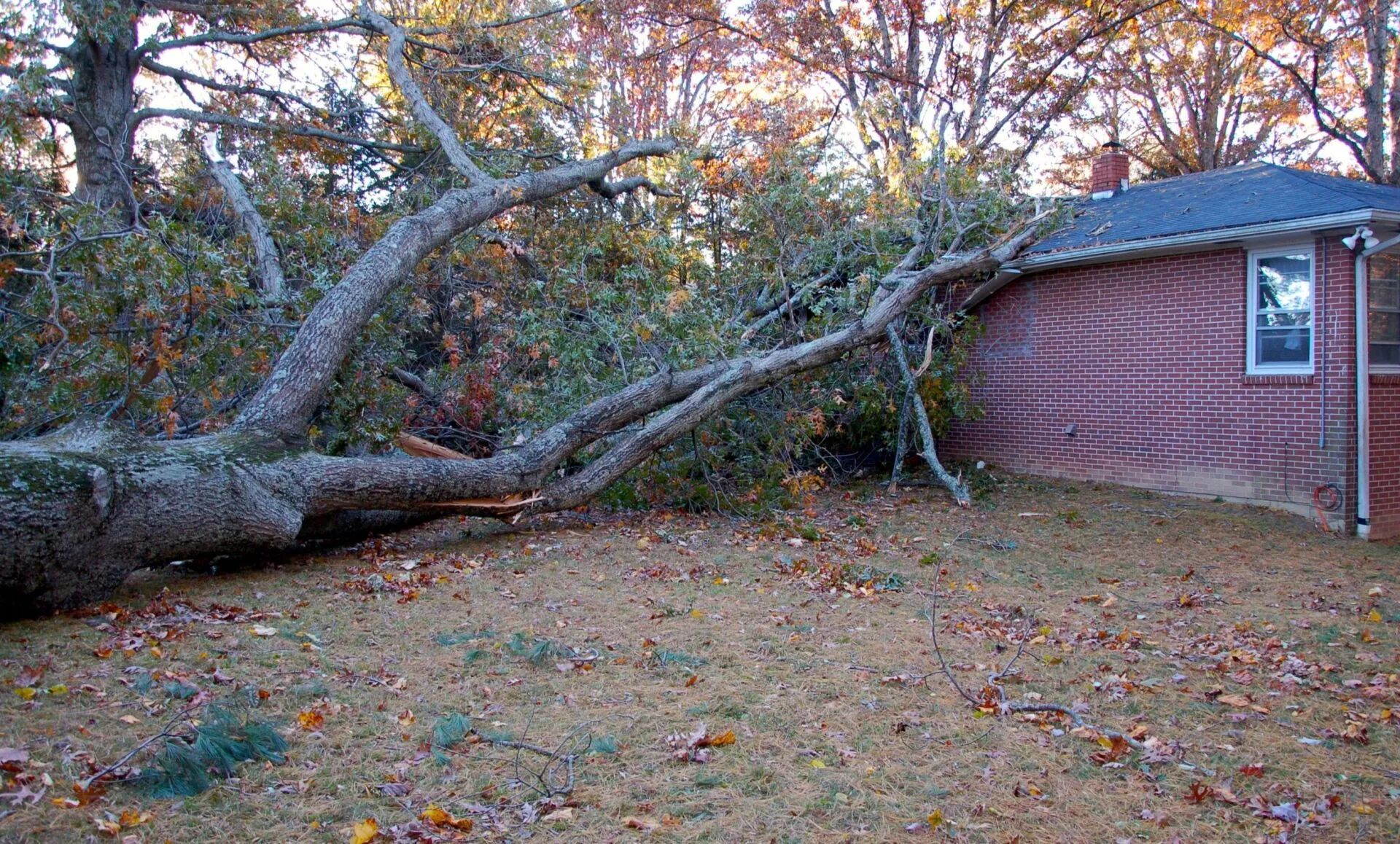
Wet soil alone can compromise tree stability, but the addition of wind significantly increases the chance of tipping or uprooting. Waterlogged soil loses its ability to anchor roots, allowing lateral forces from wind to push trees beyond their tipping threshold. This is especially dangerous for tall trees with dense canopies that catch more wind.
Case Study: Winter Storms in Salem
During winter storms, continuous rainfall saturates urban soils, and strong gusts can uproot even mature trees. Observations show that trees in areas with compacted soil or limited root spread are most vulnerable. Preventive pruning to reduce canopy density and careful monitoring of soil moisture levels can reduce the potential for catastrophic failure.
Proactive Measures
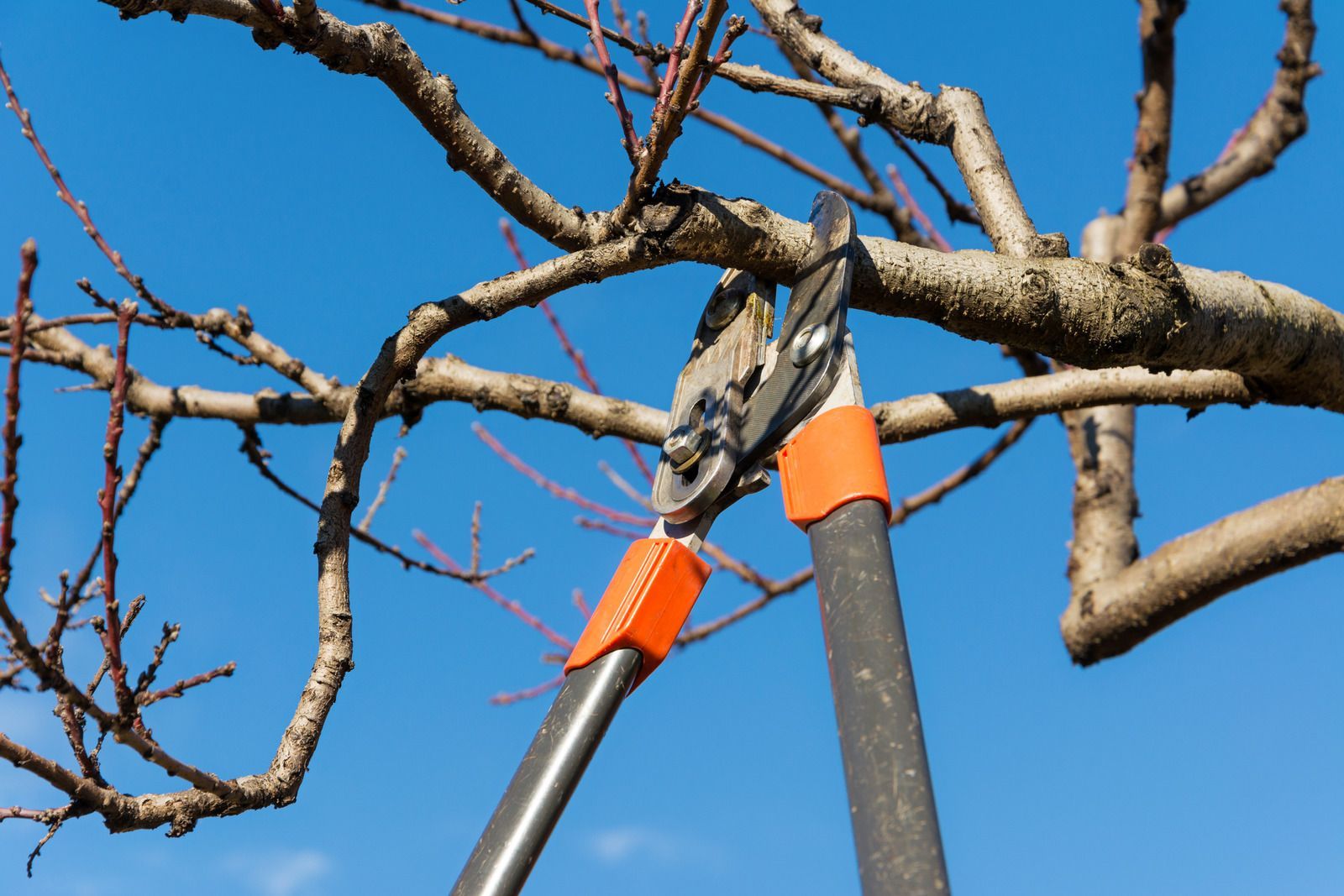
Planting wind-resistant species, installing root barriers to guide growth, and reinforcing vulnerable trees with cabling or staking are effective strategies. Removing decayed or weak branches before storm season lowers wind resistance, protecting the overall structural integrity of the tree.
5. Early Detection of Tree Instability
Visible Signs of Trouble
Monitoring trees for early signs of instability is essential for mitigating risks. Indicators include:
- Leaning trunks or uneven growth
- Soil heaving around the base
- Cracks in the trunk or major limbs
- Fungal growth or decay near roots
Recognizing these signs early allows for timely interventions such as root reinforcement, pruning, or selective removal to prevent accidents.
Advanced Monitoring Techniques
Tools like resistograph testing and soil moisture sensors provide data on root health and soil conditions. Arborists use these technologies to evaluate the likelihood of tipping, offering a scientific basis for preventive care. Such proactive approaches reduce the risk of unexpected tree failures during wet seasons.
Strategic Interventions
Corrective measures may include mulching to improve soil aeration, targeted irrigation adjustments, or installation of drainage systems. Strategic pruning and selective bracing can also enhance stability without compromising tree health or aesthetics, ensuring long-term resilience in the face of heavy rainfall.
6. Mitigating Risks in Urban and Residential Areas
Urban Planning Considerations
Tree stability is crucial in urban areas where property damage or injury is a concern. Selecting tree species suited to local soil and rainfall conditions is a critical planning decision. Incorporating green infrastructure, such as permeable pavements and rain gardens, helps manage runoff and reduce soil saturation.
Maintenance Best Practices
Regular inspections, preventive pruning, and soil conditioning minimize the impact of heavy rain. Monitoring high-risk trees, particularly after prolonged wet periods, ensures that corrective actions can be taken promptly. Collaboration with certified arborists ensures that interventions align with best practices for tree health and public safety.
Benefits of Proactive Management
Maintaining stable trees protects property, reduces liability, and preserves urban aesthetics. Trees that withstand wet conditions provide ecosystem services, including air purification, shade, and stormwater management, while minimizing the need for emergency removal or replacement after storms.
Reliable Professionals Protecting Trees Through Heavy Rain
Heavy rainfall and wet soil in the Willamette Valley present significant challenges for tree stability, affecting both urban and natural landscapes. Soil saturation, root system vulnerabilities, wind interactions, and soil type collectively influence the risk of tipping or uprooting. Early detection of signs such as leaning, root exposure, or fungal growth, combined with proactive maintenance, can dramatically reduce hazards. Effective soil management, drainage improvements, and strategic pruning further strengthen tree resilience against extreme weather events. Understanding these dynamics empowers homeowners, arborists, and urban planners to maintain safe, healthy trees that withstand the region’s rainy conditions.
At J & J Stump & Tree Removal
in Salem, Oregon, we bring over 30
years of experience to the challenge of
maintaining tree health and safety. Our expertise in assessing tree stability, identifying risk factors, and implementing preventive measures ensures that trees remain secure and thriving. We provide professional evaluation, pruning, and removal services, combining practical knowledge with industry-leading techniques. With a commitment to safety, precision, and environmental stewardship, our team delivers reliable, long-term solutions for both residential and commercial properties. Trust us to protect landscapes, enhance tree longevity, and mitigate risks posed by heavy rainfall and saturated soils, keeping your property safe and your trees healthy.