The Importance of Tree Hazard Evaluations Before Oregon’s Storm Season
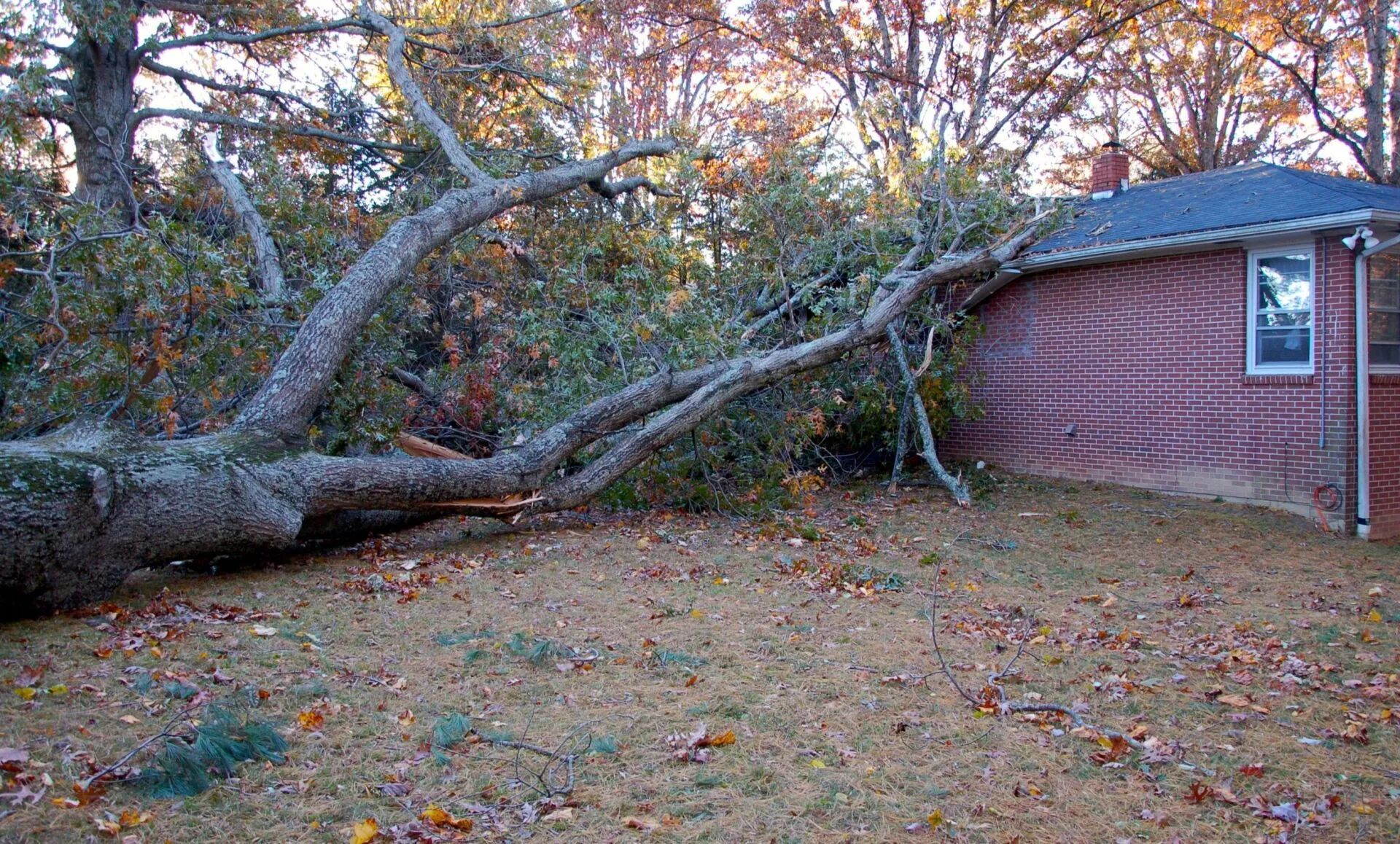
Oregon’s storm season brings with it the risk of strong winds, heavy rain, and occasional snow, all of which can pose significant threats to trees and the properties surrounding them. While mature trees add aesthetic value and environmental benefits to homes and neighborhoods, they can also become dangerous if neglected or improperly maintained. Tree failures during storms can result in property damage, power outages, personal injury, and even fatalities. Understanding potential tree hazards before storm season is a proactive approach that safeguards both people and property.
Conducting tree hazard evaluations is not just about maintaining appearances—it’s a crucial part of responsible property management. A thorough assessment identifies structural weaknesses, decay, disease, or improper growth patterns that could contribute to a tree’s failure during extreme weather. By addressing these issues ahead of time, homeowners and property managers can reduce risks and make informed decisions about pruning, stabilization, or removal. This preventative strategy not only protects lives and assets but also promotes healthier, long-lasting trees. Preparing for storm season with professional tree evaluations is a smart, forward-thinking approach that emphasizes safety, resilience, and environmental stewardship.
Understanding Tree Hazards
What Are Tree Hazards?
Tree hazards refer to any conditions or characteristics of a tree that could lead to its failure and cause damage during a storm. These hazards may include structural weaknesses, such as cracks, splits, or decay in the trunk, unstable root systems, or branches with excessive weight. Additionally, environmental factors like soil erosion, water saturation, and nearby construction can exacerbate risks. Recognizing tree hazards requires a combination of visual inspection, knowledge of species-specific vulnerabilities, and awareness of local climatic challenges.
Common Types of Tree Hazards in Oregon
In Oregon, certain tree species are particularly susceptible to storm damage. For example, Douglas firs, maples, and alders can develop decay or shallow root systems, increasing the likelihood of uprooting during heavy rain or wind. Dead or dying trees, often identified by brittle branches or sparse foliage, pose the greatest immediate risk. Additionally, trees with significant lean or asymmetrical canopies are more prone to falling, especially when subjected to gusty winds common during Oregon’s storm season.
Real-World Scenario
Consider a mature Douglas fir in a residential neighborhood. Over time, soil compaction from nearby construction reduced root anchoring, and a hidden cavity formed near the trunk base. Without evaluation, this tree may appear healthy yet could topple during a winter storm, damaging fences, vehicles, or even endangering residents. Early detection of these hazards allows for timely mitigation, avoiding costly consequences.
Benefits of Pre-Storm Tree Evaluations
- Enhanced Safety for Property and People:- The primary benefit of tree hazard evaluations is safety. By identifying potentially dangerous trees before storm season, property owners can take preventative measures such as pruning, cabling, or removal. This proactive approach minimizes the risk of injuries, fatalities, and structural damage. Safety extends beyond the immediate property, as falling trees or branches can block roadways, disrupt utility services, and threaten neighboring properties.
- Financial Advantages:- Storm-related tree damage can be expensive, often exceeding thousands of dollars in repairs and insurance claims. By investing in pre-storm evaluations, homeowners and businesses can reduce these costs. Preventative maintenance is usually less expensive than emergency removal or property repair. Additionally, some insurance providers may offer reduced premiums or coverage incentives for properties that demonstrate proactive tree management practices.
- Environmental and Aesthetic Benefits:- Proper evaluations and maintenance improve tree health and longevity. Healthy trees provide essential ecological benefits, including air purification, temperature regulation, and wildlife habitat. Regular pruning and hazard management enhance visual appeal while promoting structural integrity. A well-maintained tree canopy also supports the overall landscape design, preventing future complications from overgrown or damaged branches.
- Expert Insight:- Certified arborists emphasize that early evaluation allows for precise interventions tailored to each tree’s condition. These measures often involve minimal disruption and can prevent large-scale failures during Oregon’s unpredictable storm season.
The Tree Hazard Evaluation Process
Visual Inspection
The first step in any tree hazard evaluation is a detailed visual inspection. Arborists look for signs of decay, fungus, cracks, cavities, bark damage, and weak branch unions. Changes in foliage color, dieback, or abnormal growth patterns also signal underlying issues. Visual inspections are non-invasive yet highly effective in identifying potential hazards early.
Structural Analysis
Beyond surface-level observations, structural analysis evaluates the tree’s overall stability. This includes assessing branch attachment angles, root system integrity, and lean or imbalance. Techniques such as sounding (tapping the trunk to detect hollow areas) or using resistance drills to measure wood density provide objective data on tree strength.
Risk Assessment
Arborists conduct a risk assessment to determine the likelihood and potential consequences of tree failure. Factors include tree species, age, size, location, and proximity to structures or utilities. Trees near homes, playgrounds, or busy streets require higher scrutiny due to the elevated risk of property damage or injury. Risk levels are often categorized as low, moderate, or high, guiding the urgency of corrective action.
Documentation and Recommendations
A comprehensive evaluation concludes with detailed documentation, including photographs, diagrams, and suggested interventions. Recommendations may range from selective pruning to cabling for structural support or complete tree removal if the hazard is severe. Clear documentation ensures property owners understand the risks and the necessary steps to mitigate them effectively.
Best Practices for Tree Hazard Mitigation
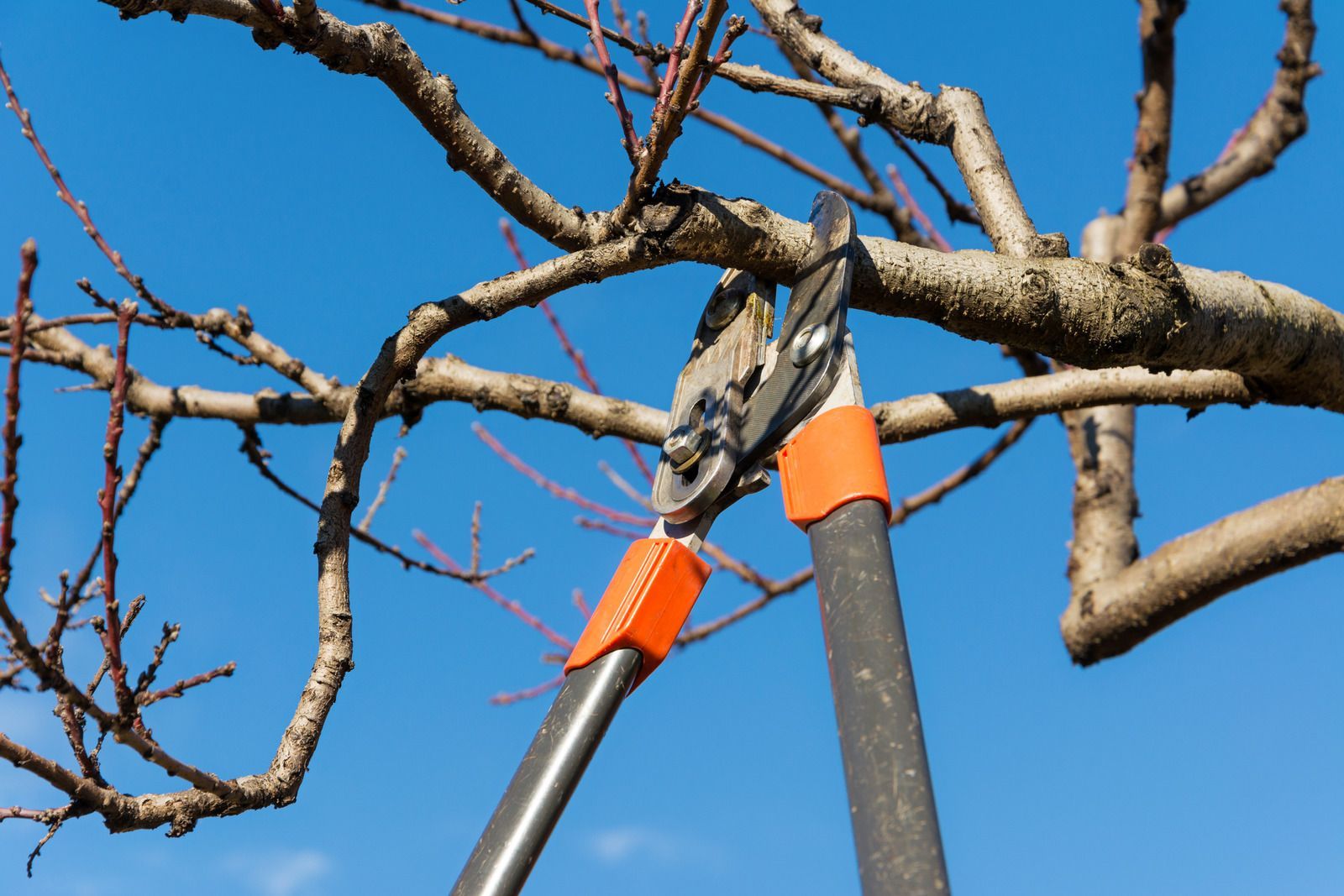
- Pruning and Trimming:- Selective pruning removes weak, dead, or overextended branches, reducing the chance of breakage during storms. Proper trimming enhances canopy structure, improves airflow, and minimizes wind resistance, lowering the risk of tree failure. Seasonal timing is also critical; for most Oregon species, late winter or early spring is ideal for pruning without stressing the tree.
- Cabling and Bracing:- For valuable or historically significant trees, cabling and bracing provide structural support. These techniques involve installing flexible steel cables or rigid rods to reinforce weak branches or trunks. Properly executed, cabling preserves tree aesthetics and reduces risk while allowing the tree to grow naturally.
- Soil and Root Management:- Healthy roots are essential for tree stability. Mitigating soil compaction, improving drainage, and mulching can strengthen root systems. Avoiding construction or heavy machinery near critical root zones preserves anchoring capacity. In some cases, root pruning or stabilization may be recommended by certified arborists.
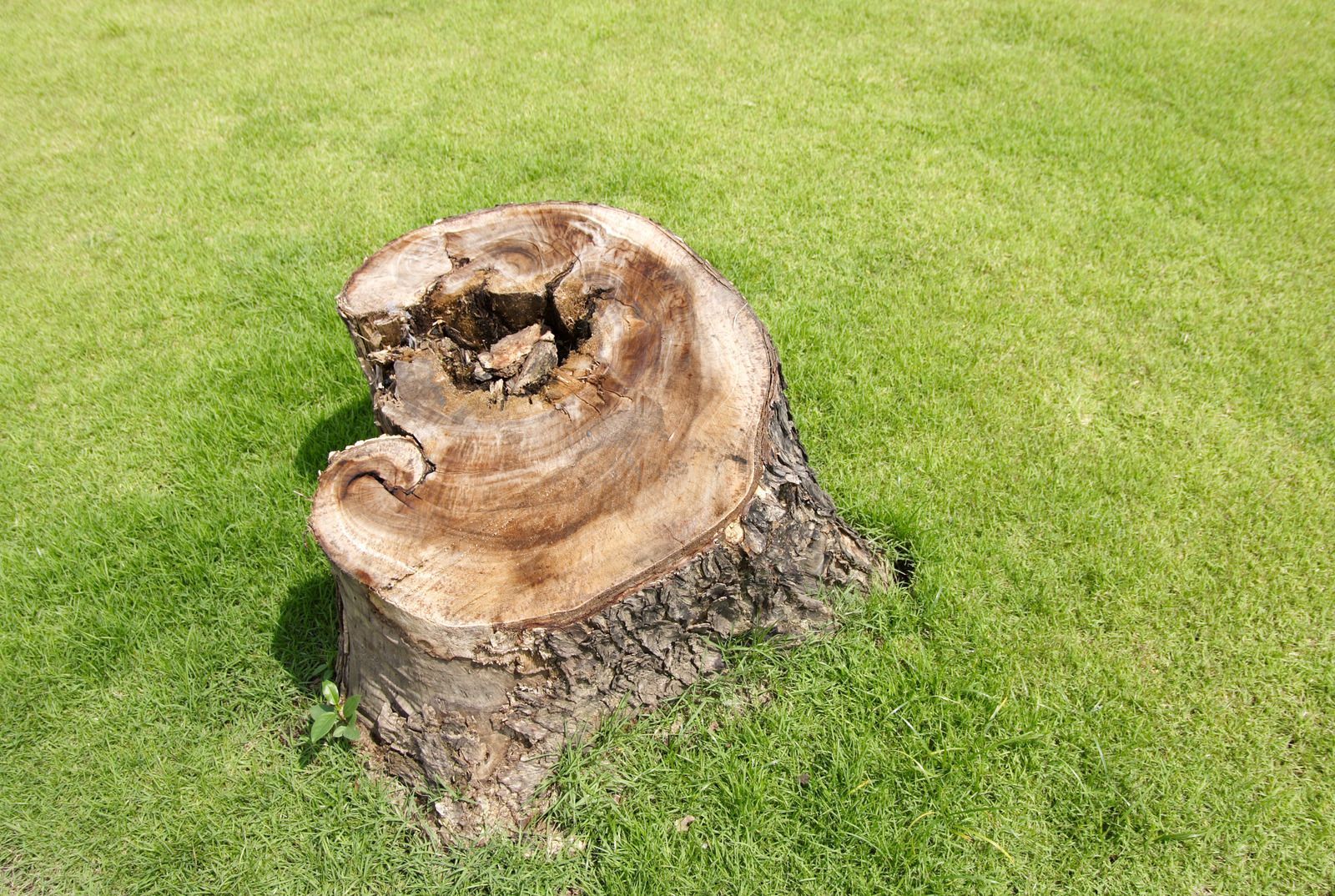
- Strategic Tree Removal:- In instances where a tree poses a high risk and cannot be safely mitigated, removal is the most effective solution. Strategic removal prioritizes safety and minimizes disruption to surrounding landscapes. Professional removal also ensures debris is managed responsibly, reducing environmental impact.
- Ongoing Monitoring:- Tree hazard management is not a one-time effort. Ongoing monitoring throughout the year allows early detection of new issues or changes in tree condition. Annual evaluations, particularly before storm season, keep properties protected and trees healthy.
Challenges in Tree Hazard Evaluations
Hidden Decay and Internal Defects
Not all tree hazards are visible from the outside. Internal decay, root rot, or insect infestations can compromise stability without obvious signs. Advanced diagnostic tools like resistograph drilling, sonic tomography, or aerial drone inspections help detect these hidden threats.
Balancing Safety and Conservation
Property owners often face difficult decisions between safety and preserving mature trees. Removing a large tree may prevent damage but also impacts the environment, wildlife, and aesthetics. Expert arborists provide solutions that balance risk reduction with ecological and visual considerations, such as selective pruning or structural reinforcement.
Weather Variability
Oregon’s storm season is unpredictable, with some storms being more intense than historical averages. This variability makes risk assessment challenging, as even healthy trees may fail under extreme conditions. Evaluations must account for potential worst-case scenarios while remaining practical and cost-effective.
Resource Limitations
Budget constraints or limited access to certified arborists can delay hazard assessments. Property owners should plan ahead and prioritize high-risk trees first. Partnering with experienced tree care professionals ensures assessments are thorough and effective.
Expert Recommendations and Industry Insights
- Engage Certified Arborists:- Professional arborists bring specialized knowledge, experience, and certification standards that homeowners or general contractors may lack. Certified arborists assess trees accurately, recommend safe interventions, and follow industry best practices, including ANSI A300 pruning standards.
- Schedule Evaluations Early:- Timing is critical. Evaluating trees well before the storm season allows for adequate planning and execution of recommended interventions. Waiting until storms are imminent can create dangerous situations and limit service availability.
- Implement a Comprehensive Tree Management Plan:- Proactive tree management involves more than a single evaluation. Combining regular inspections, proper pruning, soil care, and monitoring ensures long-term tree health and safety. A structured management plan reduces the likelihood of emergencies and provides peace of mind to property owners.
- Educate Property Owners and Managers:- Awareness is a key component of tree hazard prevention. Property owners should understand the risks posed by tree defects, the value of professional evaluations, and the importance of following expert recommendations. Education empowers stakeholders to make informed decisions that protect both lives and assets.
Maintaining Healthy Trees for Seasonal Storm Preparedness
For over three decades, J & J Stump & Tree Removal in Salem, OR, has been a trusted authority in tree care and hazard management. Our team combines extensive industry experience with the latest diagnostic techniques to provide comprehensive tree evaluations that prioritize safety and health. We understand Oregon’s unique storm patterns and the challenges they present to residential and commercial properties. By offering detailed hazard assessments, strategic pruning, cabling, and safe removal services, we help property owners mitigate risks before storm season arrives.
Our commitment extends beyond just removing threats—we aim to preserve the natural beauty and ecological value of your trees whenever possible. Each evaluation is tailored to your property, providing clear recommendations and actionable solutions. Homeowners and businesses alike rely on us for expert guidance, dependable service, and peace of mind. By choosing a company with 30 years of local experience, you ensure that your trees are not only protected but that your property and loved ones remain safe during every storm season.