Emergency Tree Removal: What to Do When a Tree Falls on Your Property
When a tree falls on your property, it can transform an otherwise calm day into a stressful and potentially dangerous situation. Whether it’s caused by a severe storm, high winds, heavy snow, or natural decay, fallen trees pose serious risks to safety, property, and even your daily routine. The urgency of the situation demands immediate attention, but it also requires a careful, methodical approach to prevent further damage or injury. Understanding how to respond to a tree emergency is essential for homeowners, property managers, and anyone responsible for maintaining safe outdoor spaces.
Beyond safety concerns, a fallen tree can lead to significant financial costs if not handled properly. Damage to structures, vehicles, fences, or utility lines can escalate quickly, and insurance claims often depend on the prompt and professional management of the situation. By knowing the right steps to take, you can minimize risk, reduce potential damage, and ensure a smoother recovery process. This guide provides comprehensive, practical advice on emergency tree removal, equipping you with the knowledge to act efficiently and safely when the unexpected occurs.
Assessing the Situation: Safety First
Immediate Safety Precautions
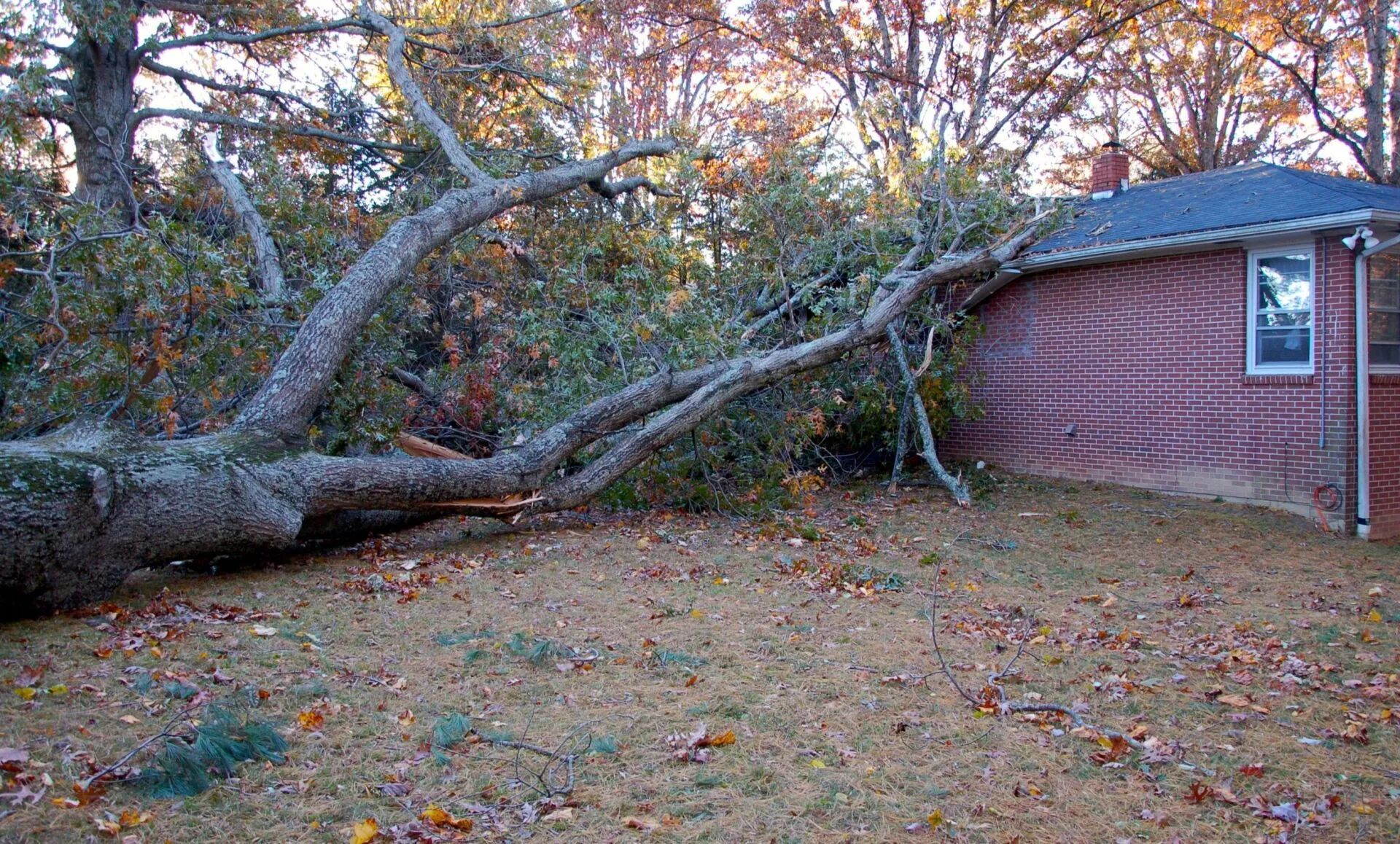
The first priority when a tree falls on your property is safety. Fallen trees can create hazardous conditions, including unstable branches, electrical hazards, and potential structural collapse. Before approaching the site, ensure all family members, pets, and bystanders are at a safe distance. If the tree has fallen on power lines, do not attempt to move it; instead, contact your local utility company immediately.
Evaluating Damage
Once safety is secured, assess the damage to structures, vehicles, and surrounding property. Take note of any visible cracks in buildings, broken fences, or obstructed pathways. Documenting the situation with photographs can be crucial for insurance claims. Prioritize areas that pose immediate threats to life or property and make a preliminary plan for removal or stabilization.
When to Call Professionals
Not all fallen trees can be safely managed with basic tools. Large trees, split trunks, or those in precarious positions often require expert intervention. Engaging certified arborists or tree removal services ensures that the removal process is conducted safely and efficiently, reducing the risk of injury or additional property damage.
Understanding the Causes and Risks
- Common Causes of Tree Falls:- Trees can fall for a variety of reasons, and understanding the root cause can help prevent future incidents. Severe weather, such as hurricanes, heavy winds, or ice storms, is a leading contributor to tree falls. However, other factors like soil erosion, root decay, pest infestations, or overgrown branches can weaken a tree over time, making it more susceptible to collapse.
- Risks Associated with Fallen Trees:- A fallen tree can create multiple hazards. Aside from structural damage, it can disrupt power lines, block access routes, and create dangerous debris. Wet or broken branches may slip unexpectedly, increasing the likelihood of injury. Additionally, delayed removal can exacerbate property damage, attract pests, or create mold and rot in affected areas.
- Mitigating Future Risks:- Preventive measures such as regular tree inspections, pruning, and soil management can significantly reduce the likelihood of emergency tree situations. Consulting certified arborists for routine assessments ensures that trees remain healthy and structurally sound, lowering the risk of unexpected falls.
Emergency Response Steps
Securing the Area
Immediately cordon off the affected area to prevent accidental injury. Use barriers or caution tape if available, and alert neighbors if there is potential danger extending beyond your property line.
Contacting Emergency Services
In cases where power lines are involved or structural damage is severe, contact emergency services and your local utility company before attempting removal. This ensures that any live wires or unstable structures are addressed safely.
Temporary Stabilization Techniques
If feasible, use temporary supports or braces to stabilize leaning trees or branches. Avoid using makeshift tools that may not support the weight of the tree. Professional arborists can provide proper stabilization methods, ensuring safety until full removal is possible.
Documenting the Damage
Take detailed notes and photographs of the fallen tree and any property damage. This documentation is valuable for insurance claims and helps the tree removal team plan their approach.
Professional Tree Removal: Best Practices
- Choosing a Certified Arborist:- Engaging a certified arborist is crucial for safe and efficient tree removal. Certified professionals have the training, equipment, and experience to handle complex situations, whether it involves a large trunk, hazardous positioning, or proximity to structures.
- Tools and Equipment:- Professional removal teams use specialized tools such as chainsaws, cranes, and rigging systems to safely dismantle trees. These tools allow precise cuts, controlled lowering of heavy branches, and efficient debris management. Attempting the same process without proper equipment can lead to severe injury or property damage.
- Step-by-Step Removal Process:- A structured approach ensures minimal risk. Experts typically begin by trimming smaller branches to reduce weight, then section the trunk for controlled removal. Debris is then cleared systematically, ensuring the site is safe and accessible. This process also allows for recycling or proper disposal of wood, which can be repurposed or chipped for mulch.
- Cost Considerations:- The cost of emergency tree removal varies based on tree size, location, complexity, and urgency. While professional services may seem expensive, the investment is justified by reduced risk, minimized property damage, and efficient cleanup. Many companies offer insurance coordination, simplifying the claims process for homeowners.
DIY vs. Professional Intervention
When DIY Is Acceptable
Small trees or broken limbs that do not pose structural hazards may be manageable with proper safety gear and basic tools. Homeowners can prune branches, remove debris, or cut manageable sections for firewood. However, even with small trees, proper technique is essential to prevent accidents.
Risks of DIY Removal
Attempting to remove large or hazardous trees without professional experience can lead to serious injury, property damage, or legal liability if the tree affects neighboring properties or utility lines. Additionally, improper removal can destabilize nearby trees or structures, creating ongoing safety risks.
Benefits of Professional Intervention
Professional arborists offer expertise, safety assurance, and efficiency. They can assess hidden structural weaknesses, handle hazardous situations, and ensure proper disposal of debris. Engaging professionals not only protects people and property but also preserves the surrounding landscape and prevents long-term damage.
Post-Removal Considerations
- Cleanup and Debris Management:- Once the tree is removed, attention shifts to cleanup. Branches, leaves, and root systems should be cleared to prevent pest infestations and restore accessibility. Many tree removal companies provide complete debris removal, including chipping, hauling, or recycling wood materials.
- Property Inspection and Repairs:- Inspect your property for damage to structures, fences, or utilities. Addressing cracks, broken supports, or water damage promptly prevents secondary issues such as mold, pest problems, or structural weakening. Professionals may also advise on soil stabilization if root systems were significantly disturbed.
- Preventive Measures for the Future:- After an emergency removal, consider implementing preventive strategies. Regular tree inspections, proper pruning, and soil management help maintain tree health and structural integrity. Planting wind-resistant species or removing high-risk trees can further reduce the likelihood of future emergencies.
- Insurance and Documentation:- Maintaining detailed records of the removal process, including photographs, invoices, and professional assessments, supports insurance claims and future property planning. Insurance providers often require documented proof of professional intervention to process claims for emergency tree damage.
Real-World Scenarios and Lessons Learned
Scenario 1: Storm-Damaged Oak
During a winter storm, a large oak tree fell across a residential driveway, damaging a fence and partially blocking access. Homeowners secured the area and immediately called a professional tree removal service. The arborist safely cut the tree into manageable sections, cleared debris, and stabilized neighboring trees at risk. The process minimized additional damage and ensured safety for residents.
Scenario 2: Decayed Backyard Pine
A decayed pine tree in a backyard leaned dangerously near a playset. The homeowners attempted a DIY removal, resulting in minor injury and additional property damage. Engaging a certified arborist afterward highlighted the importance of professional assessment for structural weaknesses, even with trees that appear manageable.
Scenario 3: Utility Line Hazard
A tree fell on power lines after a heavy windstorm, creating a potentially life-threatening situation. The homeowners immediately contacted the utility company and emergency services. The tree was removed safely, with professionals ensuring the lines were de-energized and the site cleared efficiently. This scenario emphasizes the critical need for professional intervention in high-risk situations.
Expert Advice on Responding to Tree Emergencies
Emergency tree removal is a complex, high-stakes process that requires careful planning, safety awareness, and professional expertise. From assessing immediate risks to understanding the causes and executing a safe removal, every step is crucial for minimizing damage and ensuring the safety of people and property. By knowing the correct procedures, homeowners can respond efficiently to unexpected tree falls while protecting themselves and their investments.
For those facing
tree emergencies, working with a trusted, experienced service provider is essential. J & J Stump & Tree Removal, based in Salem, OR, brings 30
years of expertise in handling tree emergencies of all sizes and complexities. Our team of certified arborists provides professional, safe, and efficient tree removal services, ensuring that every project is completed with precision and care. We understand the urgency and risks involved in tree falls, offering rapid response, expert assessment, and comprehensive debris management. Whether you face storm damage, decayed trees, or hazardous branches, J & J Stump & Tree Removal
delivers solutions tailored to your property and safety needs. Our commitment to quality, professionalism, and customer satisfaction has made us a trusted authority in the Salem community for decades. When a tree threatens your home or property, rely on J & J Stump & Tree Removal
to provide fast, reliable, and expert service you can trust.