How Tree Roots Can Damage Your Property—And What to Do About It
While trees add beauty, shade, and value to your home, their roots can silently create costly problems beneath the surface. As they grow in search of water and nutrients, roots can invade pipes, crack foundations, and lift sidewalks without warning. Homeowners often overlook these underground invaders until damage becomes visible—when repairs can be expensive. Understanding how tree roots behave and what signs to watch for can save you significant time, money, and stress. Let’s explore how these hidden systems can harm your property and what practical steps you can take to protect your home before it’s too late.
Tree roots naturally extend far beyond the visible canopy—sometimes up to three times wider. While they anchor the tree and absorb water, their relentless expansion can cause surprising structural damage when left unchecked.
1. Cracked and Lifted Driveways
Roots push upward as they grow, especially beneath concrete slabs and driveways. The pressure can cause cracks, uneven surfaces, or raised sections, creating tripping hazards and diminishing your property’s curb appeal.
2. Foundation and Basement Damage
When roots grow close to your foundation, they can exploit small cracks or gaps in the concrete. Over time, the moisture-seeking roots expand these openings, causing foundation shifts, leaks, and even basement flooding. This is especially problematic in older homes where waterproofing systems are limited.
3. Damaged Underground Pipes and Sewer Lines
Roots are naturally drawn to water sources. When they find cracks in sewer or water lines, they can infiltrate and expand inside them. This not only restricts water flow but can also lead to costly blockages and pipe bursts.
4. Landscape and Lawn Disruption
As roots spread, they often compete with grass and garden plants for water and nutrients. You may notice patches of dead grass, sunken soil, or uneven lawn surfaces caused by root growth.
Preventive Solutions and Professional Interventions
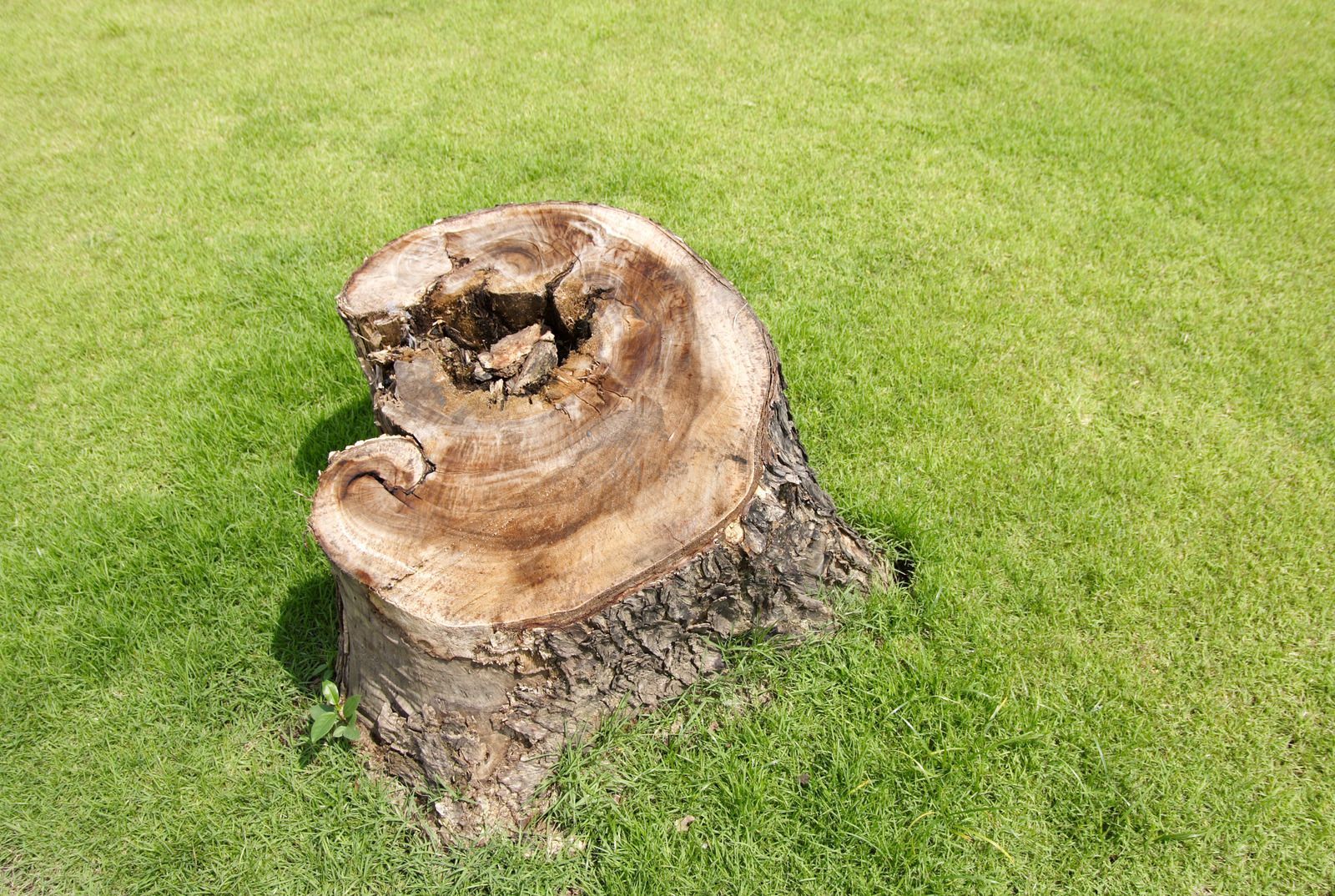
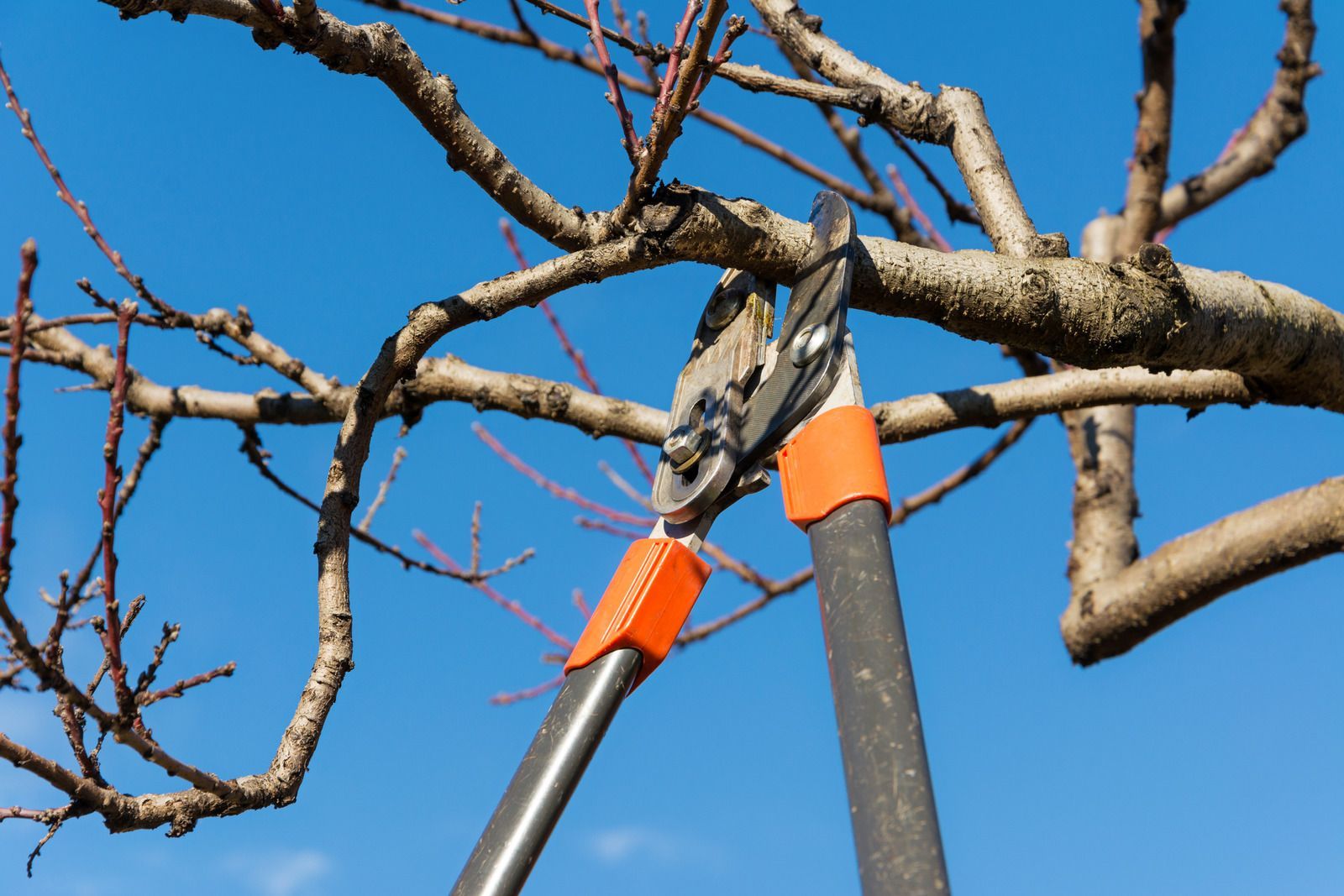
To protect your property, early action is key. Start by planting trees at a safe distance from structures—typically 15–20 feet away. Choose tree species with less aggressive root systems, such as dogwoods or redbuds, instead of maples or willows. For existing trees near your home, regular inspections are essential. Certified arborists can assess root behavior, identify risk zones, and apply root barriers to redirect growth safely. If roots have already caused structural damage, professionals can perform precise root pruning, stump removal, or complete tree extraction to prevent further harm.
Protect Your Property with Trusted Tree Experts
DIY solutions—like chemical root inhibitors—might seem tempting, but improper use can harm nearby vegetation or destabilize the tree. For long-term safety, it’s best to work with licensed experts who understand soil composition, tree biology, and safe removal methods. Your home’s foundation, plumbing, and landscape deserve lasting protection from hidden root damage. The most effective way to achieve that is through professional tree care and preventive maintenance. At J & J Stump & Tree Removal, we’ve been serving Salem, Oregon, and surrounding communities for over 30 years, providing expert tree removal, stump grinding, and root management solutions. Our skilled team uses advanced equipment and proven techniques to safeguard your property from costly root-related damage.