How to Tell If a Tree is Structurally Unsafe After a Windstorm
Quick Answer: A tree is structurally unsafe after a windstorm when its anchorage, trunk, or branch attachments have been compromised, even if it is still standing. Look for heaved or cracked soil near the base, a lean that is new or increasing, cracks that run deep into the trunk, hanging or broken limbs, and tight V shaped forks that split under load. Any one of these near a house, driveway, or power line deserves a professional hazard evaluation before the next storm arrives. Keep people and vehicles clear of the tree until someone qualified has looked at it.
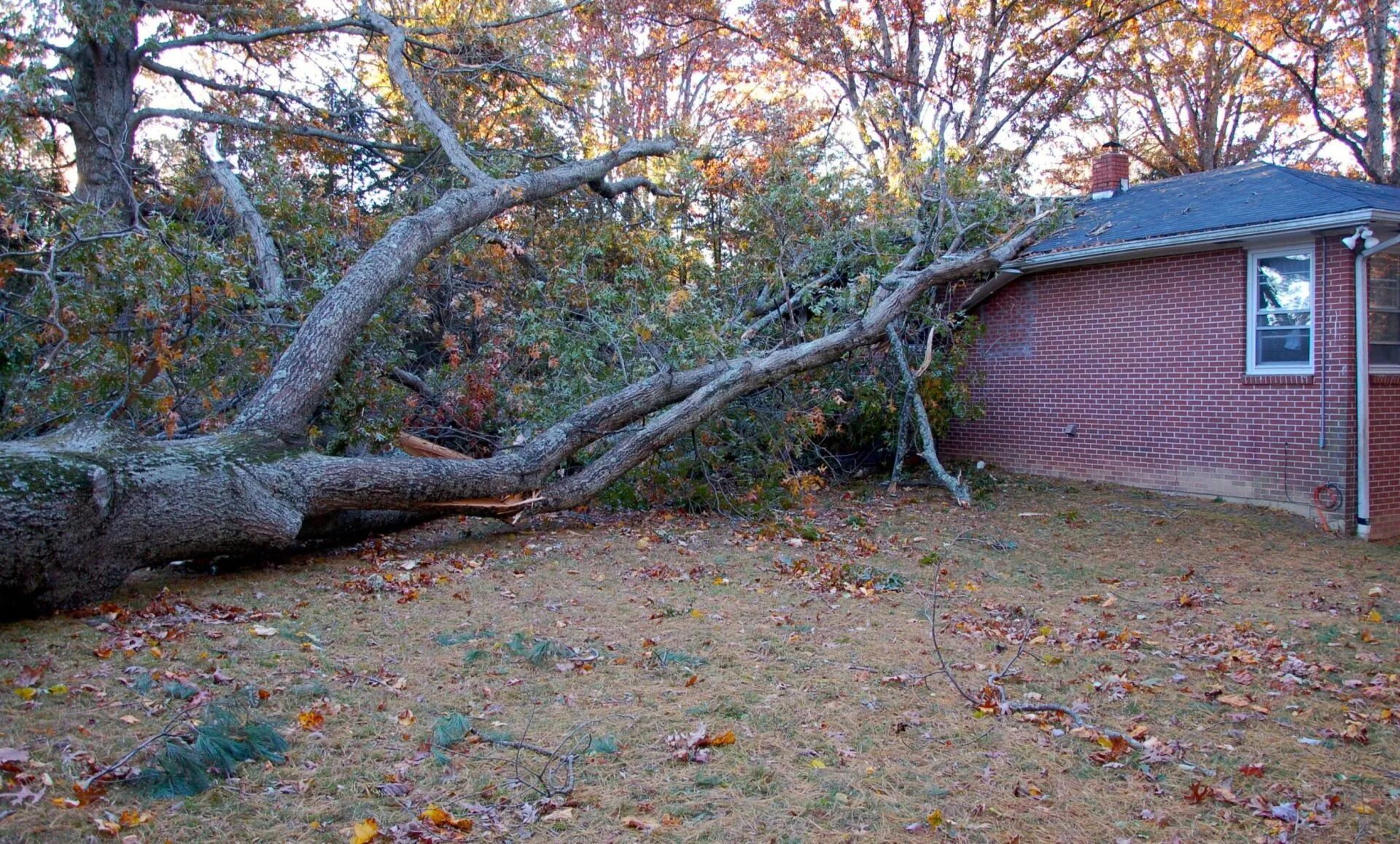
You step outside the morning after the wind finally quits and take a slow lap around the yard. The fence is still up, the roof looks fine, and the big fir by the driveway is still standing. But something feels off. A few branches are down on the lawn, the bark on one side looks freshly scuffed, and you cannot quite say whether the trunk is sitting at the same angle it did yesterday. A tree that is still upright is not the same as a tree that is still safe.
In Salem, Keizer, and across the Willamette Valley, windstorms usually arrive when the ground is already soaked. Saturated soil gives roots less grip, and tall Douglas fir and broad big leaf maple catch a lot of wind in their crowns. The storm does not always bring a tree down. Often it leaves the tree weakened, with damage you cannot see from the kitchen window, and the failure comes weeks later on an otherwise calm day.
This guide walks through what to check from the ground, in the order a trained eye would check it: roots and soil first, then the trunk, then the crown. It also covers what you should leave alone, because the most dangerous part of inspecting a storm damaged tree is standing too close to it.
Start at the Ground, Because Anchorage Is Everything
A tree stays upright because of its root system and the soil packed around it. When wind pushes the crown sideways, that force travels down the trunk and into the roots, and the soil on the opposite side of the lean is the first thing to give. That is why the ground around the base tells you more than almost anything else.
Walk a slow circle at a safe distance and look for soil that has risen into a low mound, cracked open in an arc, or pulled away from the trunk. Heaved soil on one side of the tree, especially on the side away from the lean, suggests the root plate has shifted. Exposed roots that were buried last week, torn root ends poking out of the dirt, or a gap opening between the trunk and the lawn are all signs that the tree moved in its footing.
Pay attention to the lean itself. Some trees have grown at an angle for decades, and those are usually stable because the trunk and roots have adapted to it. A lean that is new, or one that looks more pronounced than it did before the storm, is a different matter. If you have a photo of the tree from last summer, compare it. A tree that moved in the wind may continue to shift over the following days as wet soil settles, so check again the next morning.
Tip: Take photos of the base of the tree from two directions on the day after the storm, and again a day or two later. Placing a stake in the ground next to the trunk gives you a simple reference line to see whether the tree is still moving.
Read the Trunk for Cracks, Cavities, and Decay
The trunk carries the entire weight of the crown, so damage here matters more than a lost branch. Look up and down the stem for cracks, splits, and places where bark has peeled away from the wood. A shallow surface scrape is usually cosmetic. A crack that runs deep, travels a long distance along the trunk, or opens wider when the tree sways is a structural problem.
Some patterns carry more concern than others. A crack that goes all the way through the stem, cracks on two sides of the trunk at roughly right angles to each other, or a crack that sits beside a decayed area or a cavity can leave the tree one gust from failing. Wind can also twist a crown, and that twisting can open fine splits that are easy to miss unless you look closely, especially around old wounds and pruning scars.
Decay is the other piece. Mushrooms or conks growing at the base or along the trunk, soft or crumbly wood, hollow sounds when you tap the bark, and old cavities that look larger than you remember all point to wood that has been losing strength for some time. In the wet Willamette Valley climate, decay fungi are common, and a storm often reveals what they have been quietly doing for years. A tree with internal decay may look healthy in leaf and still snap at the point where the wood is weakest.
Check the Branch Attachments and the Crown
Once you have looked at the ground and the trunk, lift your eyes to the crown. The most obvious hazards are the ones that are already on their way down: broken limbs hanging in the canopy, dead branches that snapped but stayed caught in the tree, and large limbs that have split partway from the trunk. Arborists call these hangers, and they can drop without warning when the wind picks up or when someone walks underneath.
Branch size matters. As a rough guide, a damaged, dead, or decayed branch about 2 inches in diameter or larger is worth taking seriously, and the larger and higher it is, the more energy it carries when it falls. A branch that looks small from the ground may be much heavier than it appears when it comes down from forty feet.
Then look at how the branches join the tree. A tight V shaped fork, where two stems of similar size grow upward from the same point, tends to trap bark between them instead of forming a strong joint. That trapped bark is called included bark, and it makes the union weaker than it looks. These forks are some of the most common failure points in storms, and a fork that has opened a hairline crack down the middle is telling you it has already started to separate.
Finally, step back and look at the crown as a whole. A tree that has lost a large share of its branches on one side, or whose crown is now lopsided, can have a very different balance than before. Uneven loading in the next wind can pull on a root system that was already stressed.
Why Valley Trees Fail the Way They Do
Local conditions explain a lot about what you are seeing. Douglas fir grow tall and carry heavy, dense crowns, and in saturated soil their shallow lateral roots can only hold so much. Big leaf maples often develop multiple stems and wide, heavy limbs that reach out over roofs and driveways, and the unions where those limbs attach are a frequent trouble spot. Ivy climbing a trunk adds weight and hides cracks, bark wounds, and fungal growth that you would otherwise spot quickly.
The pattern across the valley is that the wind is rarely the whole story. A healthy, well anchored tree usually rides out a strong gust with some lost twigs and small branches. A tree with a root problem, a hidden cavity, or a weak fork is the one that fails, and the storm simply picks the moment. That is why post storm checking is less about the weather and more about finding the weakness that was already there.
What to Do, and What Not to Do, Right Now
If you see signs of structural damage, the first step is distance. Keep people, pets, and vehicles out from under and around the tree. Do not park beneath it, do not let children play nearby, and do not use the patio or walkway next to it until it has been looked at. If any branch or the trunk is touching or close to a power line, treat the line as energized and keep well away from the tree.
It is natural to want to fix the problem yourself, but a damaged tree is unpredictable. Limbs that are pinned or under tension can spring when cut, a leaning tree can shift as soon as weight is taken off it, and a trunk with a hidden crack may not hold a person climbing it. Cutting a storm damaged tree is a job for trained crews with rigging, climbing gear, and in some cases a crane, not a ladder and a chainsaw in the rain.
Warning: Never climb a storm damaged tree or stand a ladder against one to cut hanging limbs. A tree with a cracked trunk or loosened roots may not support your weight, and a branch under tension can swing or drop the moment it is cut.
Avoid the temptation to cut the top off a wounded tree in hopes of making it safer. Topping leaves large open wounds, triggers weak regrowth, and usually makes the tree less stable over time, not more. Light cleanup of small fallen twigs from a safe distance is fine. Anything involving the structure of the tree belongs with a professional.
When a Tree Can Be Saved and When It Cannot
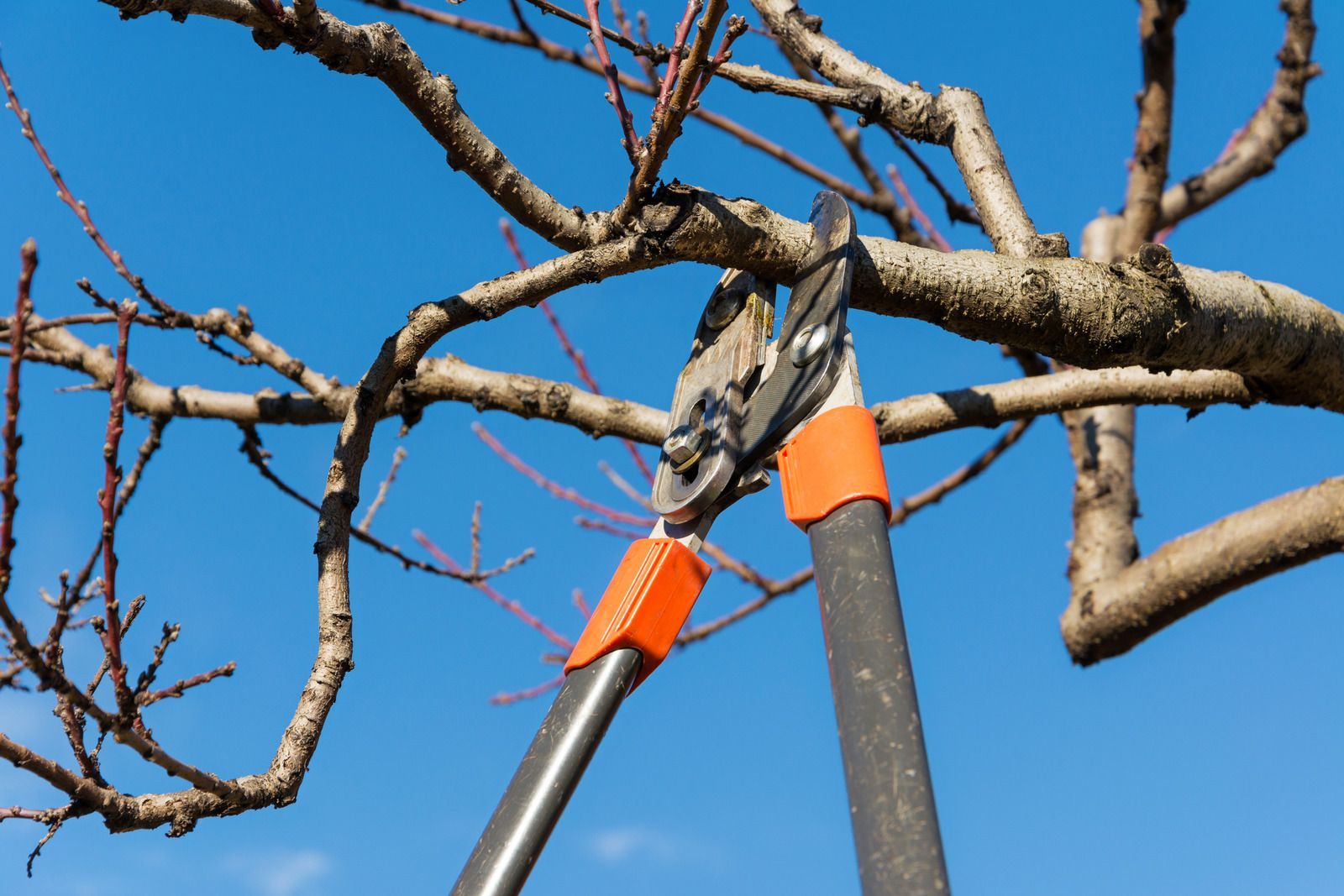
Not every damaged tree has to come down. A tree that has lost several branches or a broken leader, but still has an intact root system and a sound trunk, can often be saved with careful pruning. The goal is to remove the damaged parts cleanly, reduce stress on the remaining structure, and give the tree a chance to recover. Trees that are saved this way usually need follow up inspections, because a wounded tree stays on the watch list for a while.
Removal becomes the safer choice when the damage is in the places a tree cannot repair. A tree with a heaved root plate, a trunk crack that runs deep, a large share of its roots exposed, or most of its crown gone has lost the structure it needs to stand. If the tree is also close to a house, a garage, a fence, or a power line, the case for taking it down gets stronger, since the consequence of a failure grows with what sits beneath it.
A hazard evaluation is how you get to that answer without guessing. An evaluator looks at the roots, trunk, and crown, considers what the tree could hit, and explains which of the options makes sense. Sometimes the answer is trimming or cabling to extend the life of the tree. Sometimes it is removal. Either way, you leave with a clear reason rather than a hunch.
What a Professional Evaluation Looks At
A proper hazard evaluation is a visual inspection of the whole tree. The crew checks the structure, the root system, and the overall health of the tree, and looks for the warning signs covered here: cracks in the trunk or limbs, hollow or decaying areas, leaning, fungal growth at the base, exposed roots, dead or hanging branches, and signs of pests or disease. They also consider where the tree stands in relation to buildings, fences, driveways, and power lines, and what the recent storm did to it.
The advantage of a trained evaluator is not only spotting what you might miss, but ranking it. A tree with a minor cosmetic wound and a tree with a split fork over your bedroom roof are not the same level of concern, and knowing the difference helps you decide what to do first. After the inspection, the crew explains what they found and recommends next steps, whether that is pruning, cabling, or removal.
If a tree is already down, leaning on a structure, or hung up in another tree, the situation changes from inspection to emergency work. Crews use ropes, rigging, and cranes to take trees off roofs, driveways, vehicles, and lines while limiting further damage, and they secure the area and assess the risk before any cutting starts.
Frequently Asked Questions
How soon after a windstorm should I have a damaged tree checked?
As soon as you can do it safely. Leaning, cracked, or overhanging trees are priorities, since weakened trees are most vulnerable in the next wind or rain. A check within a few days of a major storm is wise.
Can a tree look healthy and still be structurally unsafe?
Yes. Green leaves reveal little about the roots, the inside of the trunk, or the branch unions. Decay and root damage can hide behind a healthy crown, so the base, trunk, and forks matter as much as foliage.
Is a leaning tree always an emergency?
No. Many trees lean because of how they grew, and a lean that has been stable for years is usually fine. A new or worsening lean, especially with heaved soil, cracks, or exposed roots, needs quick attention.
Should I trim off the broken branches myself?
Pick up small fallen twigs from a safe distance, but leave hanging limbs, broken tops, and anything above head height to professionals. A limb under tension can swing or fall unpredictably when cut.
What are the warning signs of root failure after a storm?
Watch for risen or cracked soil around the base, suddenly visible roots, a gap between the trunk and the ground, and a tree sitting at a different angle. Mushrooms at the base can also signal root decay.
Can a damaged tree be saved?
Often, yes, when the roots are intact and the trunk is sound. Trees that lose branches can usually be pruned and monitored. A failed root plate, deep trunk cracks, or a mostly gone crown more likely means removal.
Making Tree Removal Decisions With Confidence
Removing a tree is easier to approach when the reason is clear, the tree has been evaluated, and the site is ready for the crew. Walking the property beforehand, noting access, power lines, and anything fragile below, helps everyone plan the safest way to work. Deciding early what happens to the wood, the debris, and the stump keeps the day running smoothly. A yard that was planned for, not just cleared, recovers quickly and looks intentional afterward.
J & J Stump & Tree Removal
has worked across Salem, Oregon for 30
years, and that history shows in how its crews read a Douglas fir, a heavy maple, or a spreading oak before the first cut is made. Careful rigging, thoughtful cleanup, and honest recommendations let homeowners trust the process from evaluation to the final raked lawn. The result is a safer property and a space ready for whatever comes next.