Tree Hazard Evaluations in Falls City, OR
A hazardous tree rarely announces itself clearly. Internal decay that compromises structural integrity from the inside, root damage that undermines the anchorage holding a large Douglas fir upright, or co-dominant stems with included bark that will eventually split under wind load — these conditions are visible to someone who knows what to look for, but invisible to a homeowner who sees only a large, seemingly healthy tree in their yard. Falls City's position on the edge of the Coast Range foothills, surrounded by second-growth timber in a high-rainfall climate, means trees here are large, rooted in soils that saturate completely in winter, and subject to the wind events and ice loading that reveal structural weaknesses with consequences no homeowner wants to experience firsthand. A tree hazard evaluation identifies the actual risk level each tree on a property presents — before that risk becomes an emergency.
A tree hazard evaluation is a professional visual assessment of structural condition, root anchorage, and potential failure modes — examining the trunk for cracks, cavities, and co-dominant stems; the root zone for decay or construction damage; and the crown for structural imbalance. The assessment produces an honest finding: this tree is safe, it requires mitigation through pruning or cabling, or it poses sufficient risk to warrant removal. J & J Stump & Tree Removal also handles tree removal, shrub removal, trimming, stump grinding, land clearing, brush chipping, and emergency tree removal.
J & J Stump & Tree Removal has been serving Falls City for over 30 years — and the trees of Polk County's foothills hold no surprises for our team. We deliver tree hazard evaluations in Falls City, OR with the storm-season experience that knowing these specific trees, in this specific climate, over decades produces. Our team handles hazard evaluations and, where needed, the full tree removal, trimming, stump grinding, and emergency response scope that follows.
About Falls City, OR
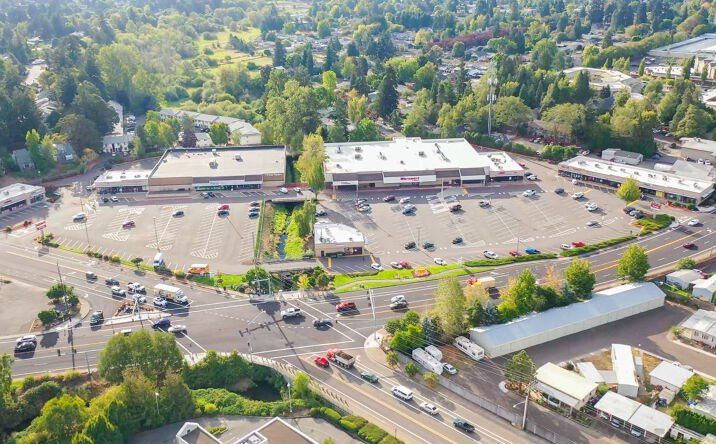
Falls City is a city in Polk County, Oregon, with a 2020 census population of 1,051. The city covers 1.2 square miles, named after Berry Creek Falls on the Little Luckiamute River that flows through town. Falls City sits at the transition between the Willamette Valley floor and the Coast Range foothills — wetter, more heavily treed terrain that distinguishes it from the open valley to the east.
Falls City was established as a lumbermill town, becoming known as "the gem of Polk County" when its mill and railroad operated from 1890 to 1922. When the mill moved in 1930, the population dropped from roughly 1,000 to 450, and the community transitioned from an industrial center to the quiet rural residential town it is today. The surrounding hills retain the second-growth Douglas fir, alder, and big-leaf maple that regrew after the logging era.
Residential property across Falls City includes older homes — 28% predate 1940 — in close proximity to the mature trees that characterize the landscape. Properties here often have large trees near structures, adjacent to driveways, or along wooded property lines, generating ongoing hazard assessment needs that the region's wind and rain events make genuinely important.
Our Services in Falls City, OR
Happy Customers in Falls City, OR
Climate & Environmental Factors in Falls City, OR
Falls City has a warm-summer Mediterranean climate with warm, dry summers and cold, wet winters. Summer highs reach the upper 70s to low 80s°F, while winter temperatures cool to the 30s and 40s°F with frequent rain and occasional ice. Annual precipitation typically exceeds 60 inches, concentrated in the October-through-April wet season. The Coast Range foothills location produces higher precipitation than the open valley, and Pacific storm wind events are a regular feature of winter.
Saturated winter soils are the defining tree hazard factor in Falls City. Douglas fir and other conifers that appear stable during dry summer conditions become significantly more susceptible to windthrow when winter rains saturate the soil and reduce root anchorage. Trees with root damage from construction, grade changes, or disease are especially vulnerable because their anchorage has already been compromised before the soil softens.
Ice loading from freezing rain creates a second specific hazard. When ice accumulates on branch systems, the additional weight can cause failure in branches or co-dominant stems that would otherwise withstand normal loading. Trees with pre-existing structural defects are most vulnerable. J & J Stump & Tree Removal's hazard evaluation scope specifically includes assessment for ice-loading vulnerability alongside standard wind and gravity failure modes.
Signs You Need Tree Hazard Evaluations in Falls City, OR
Visible structural abnormalities are the clearest indicators that professional hazard assessment is warranted. Co-dominant stems — where two or more main trunks meet at a V-shaped union — are among the most common structural hazards in Pacific Northwest trees, because included bark prevents formation of strong connective wood. Cracks in the trunk, noticeably increased lean, and cavities all indicate conditions that need evaluation before the next storm season.
Root and soil disturbance around large trees is the second category. Construction that has cut through root zones. Grade changes that have buried the root flare. Mushrooms or fungal conks growing at the base of the trunk — indicating active decay in the root system or lower trunk. These conditions often produce trees that look healthy above grade but have compromised anchorage that only trained ground-level assessment can identify.
Post-storm concern and seasonal preparation round out the common triggers. After a windstorm that brought down branches or neighboring trees, evaluating surviving trees identifies whether new structural vulnerabilities were exposed. Before Falls City's wet season, proactive evaluation of large trees near structures provides the information needed to make decisions about pruning or removal before an emergency situation develops.
Why Falls City, OR Residents Trust J & J Stump & Tree Removal?
Tree hazard evaluation is fundamentally a matter of trust — homeowners are relying on honest professional assessment of whether a tree near their home represents genuine risk. The evaluations J & J Stump & Tree Removal delivers reflect the actual structural condition of each tree, not a predetermined removal recommendation. When a tree is safe, we say so. When trimming reduces risk, we specify what's needed. When removal is the right answer, we explain why. Thirty years of Falls City-area tree work has built the reputation that consistent honesty produces.
J & J Stump & Tree Removal delivers trusted tree hazard evaluations in Falls City, OR backed by 30+ years of Polk County tree service experience. Our team handles hazard evaluations, tree removal, shrub removal, tree and shrub trimming, stump grinding, land clearing, brush chipping, and emergency tree removal with the assessment expertise and local tree knowledge Falls City properties require. Referrals and long-term client relationships drive most of our business.
Hire Us! Best and Top-Rated Tree Hazard Evaluations in Falls City, OR
Tree hazard evaluation decisions affect property safety and whether a tree represents a genuine risk or a manageable one. Quality hazard evaluation delivers honest structural assessment, specific identification of failure modes, and clear recommendations that serve actual safety needs rather than generating unnecessary removal work. Evaluations that default to removal regardless of actual condition don't serve Falls City homeowners who want accurate information.
J & J Stump & Tree Removal handles trusted tree hazard evaluations in Falls City, OR for homeowners and property owners. With 30+ years of experience, our team delivers hazard evaluations, tree removal, shrub removal, trimming, stump grinding, land clearing, brush chipping, and emergency tree removal with the professionalism every Falls City, OR property deserves. Contact our team today to schedule a hazard evaluation, request an estimate, or discuss a specific tree concern.
faqs
What is a tree hazard evaluation?
A tree hazard evaluation is a professional visual assessment of a tree's structural condition, root anchorage, and potential failure modes — determining whether the tree is safe, requires mitigation such as pruning or cabling, or poses sufficient risk to warrant removal. J & J Stump & Tree Removal conducts evaluations based on actual structural findings rather than applying uniform removal recommendations.
What are co-dominant stems and why are they hazardous?
Co-dominant stems occur when a tree develops two or more main trunks of similar size meeting at a narrow V-shaped union. The included bark at this union prevents formation of strong connective wood, creating a failure point that can split under wind loading or ice accumulation. They are among the most common structural hazards J & J Stump & Tree Removal identifies in Pacific Northwest trees.
Does J & J Stump & Tree Removal handle emergency tree removal?
Yes. Emergency tree removal responds to fallen or failing trees creating immediate hazards — blocking driveways, resting on structures, or presenting imminent failure risk. J & J Stump & Tree Removal communicates realistic response times during dispatch based on current conditions and call volume.
What do fungal conks at the base of a tree indicate?
Fungal conks or shelf mushrooms growing at or near the base of a tree typically indicate active decay in the root system or lower trunk — a condition that compromises structural integrity from below ground. This is a serious finding that warrants professional hazard evaluation regardless of how healthy the tree appears above grade.
Can trimming reduce the risk of a potentially hazardous tree?
Yes, in some situations. Crown reduction, deadwood removal, and selective weight reduction can meaningfully reduce the wind and ice loading that trees with structural defects experience. J & J Stump & Tree Removal assesses whether trimming adequately mitigates risk or whether structural condition requires removal.
When is the best time to schedule a hazard evaluation in Falls City?
Before Falls City's wet season begins — typically September or October — allows time for trimming or removal before the high-risk winter storm period. Post-storm evaluations after significant wind events are also important for identifying newly exposed structural vulnerabilities.
Does J & J Stump & Tree Removal handle stump grinding after removal?
Yes. Stump grinding eliminates stumps to below grade level after tree removal. J & J Stump & Tree Removal handles both removal and stump grinding as part of a complete service.
How is pricing structured at J & J Stump & Tree Removal?
Pricing reflects tree size, site access, scope of work, and any complexity involved in the removal or evaluation. Written estimates follow assessment and detail scope and pricing before work begins. Emergency service has different rate structures communicated during dispatch.