Tree & Shrub Trimming in Hayesville, OR
Trees and shrubs that go years without proper trimming do more than look unruly. Overgrown branches near a roofline scrape shingles and clog gutters, dense growth blocks light needed for a healthy lawn and garden beds below, and weak or crossing limbs become a real hazard the next time a storm rolls through. Routine trimming done with the right technique keeps a landscape healthy and keeps a home protected in ways that occasional pruning with a hand trimmer never quite achieves, and it often prevents the kind of emergency limb removal that costs far more once a branch has already come down onto a roof or a fence.
The Willamette Valley's mild, wet climate is a greenhouse for fast-growing trees and shrubs, and species common in Hayesville yards, including laurel, rhododendron, and various ornamental trees, can add significant growth in a single season without regular attention. That growth rate means trimming schedules that work in drier climates fall behind quickly here, and a tree or shrub left alone for even one extra season often needs far more aggressive correction, sometimes severe enough to set the plant back for good and change how it grows for years afterward.
Climbing and cutting trees safely takes practice, and J & J Stump & Tree Removal's crews have logged more than 30 years of it, delivering trusted, dependable tree & shrub trimming throughout Hayesville, OR. Crews evaluate each plant's size, species, and structure before making a cut, trim to encourage healthy future growth rather than just removing bulk, and clean up all debris before leaving the property so the yard looks finished rather than like a job site.
About Hayesville, OR
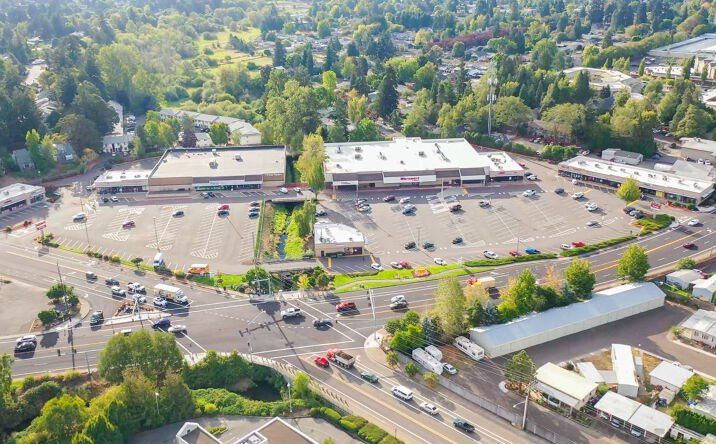
Hayesville is a community in Marion County, Oregon, with a population of just under 22,000 recorded in the 2020 census. It sits just outside the city limits of Salem, within Salem's urban growth boundary, and is part of the wider Salem metropolitan area in the heart of the Willamette Valley.
Chemeketa Community College operates its main campus in Hayesville, drawing students from across the region and shaping the character of the surrounding neighborhoods. Yards throughout the community reflect the lush growth the valley is known for, with mature landscaping common on properties that have been established for decades, often with mature trees and overgrown shrub lines planted long before current owners moved in.
A river-valley climate shapes the area, mild and consistently wet through fall, winter, and spring, and that pattern is exactly what lets local trees and shrubs grow as vigorously as they do year after year, often outpacing a single annual trim on established residential lots throughout the community.
Happy Customers in Hayesville, OR
Extended Growing Seasons and Storm Risk Behind Hayesville Tree & Shrub Trimming
Wet winters bring their own trimming considerations. Waterlogged soil and saturated root systems make trees more prone to limb failure during winter windstorms, and removing weak or crossing branches ahead of the wet season reduces the risk of storm damage to roofs, fences, and vehicles parked nearby during the wettest months.
Hayesville's mild, wet climate keeps trees and shrubs growing for most of the year rather than going fully dormant the way plants do in colder regions. That extended growing season means woody growth accumulates faster here than in drier or colder climates, and trimming schedules built around a single annual visit often fall behind before the next growing season even begins.
Fast-growing species common in local yards, including English laurel, rhododendron, and various ornamental trees, can add substantial height and density within a single season if left unattended. Left too long, these plants can crowd walkways, block sightlines near driveways, and put unnecessary weight on branches during winter storms.
Tree & Shrub Trimming: Cut Placement and Timing That Keep Plants Healthy
Cut placement affects how a plant heals and regrows. Clean cuts made just outside the branch collar heal faster and reduce disease entry points, while cuts made too close or at the wrong angle leave the plant vulnerable to rot and pests. Removing crossing or rubbing branches early prevents wounds that weaken the plant's structure over time.
Selective thinning tends to produce healthier long-term growth than heavy shearing, since it opens the canopy to light and airflow without shocking the plant. Heavily sheared hedges often develop dense outer growth with a hollow, weak interior, which becomes a structural problem as the plant matures over the years.
Timing matters as much as technique. Most trees and shrubs respond best to trimming during their dormant season or right after flowering, depending on the species, while cuts made at the wrong time of year can stress the plant or reduce next season's blooms. Matching the trim to the plant's specific growth cycle produces better results than trimming on a fixed calendar schedule alone.
Why Hayesville, OR Residents Trust J & J Stump & Tree Removal
Careful, root-level attention sets J & J Stump & Tree Removal apart as a dependable Tree & Shrub Trimming provider in Hayesville, OR, since crews evaluate each plant's species and structure before making a single cut. That evaluation step is what separates a trim that helps a plant from one that just shortens it.
Certified arborist knowledge guides decisions on what to cut and when, so trimming supports the plant's long-term health rather than just producing a tidy appearance for a few weeks until the next flush of growth undoes the work. That approach reduces how often a hedge or tree needs corrective work down the road.
Every crew cleans up thoroughly before leaving, hauling away branches, leaves, and debris so the yard looks finished rather than like a job site. That attention to the finished result is part of what keeps clients calling back for the next round of trimming rather than searching for a different crew each season of the year.
Hire Us! Reliable Tree & Shrub Trimming in Hayesville, OR
An overgrown hedge, a tree with dead or crossing limbs, or storm damage that needs cleanup before it becomes a bigger hazard are all good reasons to contact J & J Stump & Tree Removal, a reliable Tree & Shrub Trimming crew serving Hayesville, OR. Message or call our crew today to get things started.
Evaluating each plant, discussing the desired outcome, and noting any structures, fences, or utilities nearby that affect how the work gets done safely all happen during a property visit first. That walkthrough shapes the specific approach and cutting technique used for each tree or shrub found on site.
Each trimming job carries more than 30 years of tree care experience behind it, along with a full cleanup before the crew leaves the property. Get in touch this week, and a crew member will walk the property, look over what is growing, and lay out a clear plan for bringing the whole landscape back under control.
faqs
1. When is the best time of year to trim trees and shrubs in this area?
Timing depends on the species. Many flowering shrubs do best trimmed right after they bloom, while most trees respond well to dormant-season trimming in late winter. We assess each plant on the property before recommending a specific trimming window.
2. How often do fast-growing shrubs need trimming here?
Vigorous species like laurel and rhododendron often need attention more than once a year in this climate, while slower-growing plants can go longer between visits. We build a schedule around each plant's actual growth rate rather than a fixed calendar.
3. Will heavy trimming harm a tree or shrub?
Removing too much foliage at once can stress a plant and trigger a weak flush of regrowth. We favor selective thinning over heavy shearing where possible, since it keeps the plant healthier and produces more stable long-term growth.
4. Do you trim branches near power lines or rooflines?
Yes. Branches growing into rooflines, gutters, or near overhead lines get careful attention, since improper cuts near these areas can cause damage or create hazards. Crews assess clearance needs before cutting anything close to a structure or utility line.
5. What tools do you use for shrub trimming versus tree trimming?
Hand pruners and shears handle detailed shrub work where precision matters, while trees often require pole saws, chainsaws, or climbing equipment depending on height. Matching the tool to the plant keeps the work clean and controlled.
6. Can trimming help a storm-damaged tree recover?
Removing broken, split, or hanging limbs after a storm reduces further stress on the tree and lowers the risk of additional damage. We evaluate whether the tree can recover with corrective trimming or whether the damage needs more extensive attention.
7. How do you decide which branches to remove during a trim?
Crews prioritize dead, diseased, or crossing branches first, since these create the most risk and drain the plant's energy. From there, cuts focus on shaping growth and improving airflow through the canopy without removing more than the plant can recover from.
8. Does trimming help prevent pest and disease problems?
Removing dead or damaged wood and improving airflow through a dense canopy reduces conditions that pests and fungal disease tend to favor. Regular trimming catches early signs of trouble before an infestation or disease spreads through the rest of the plant.