Shrub Removal in Hayesville, OR
Cut a laurel or a blackberry back to the ground here, and by next season, it is taller than before. The Willamette Valley's mild, soaking climate is a greenhouse for aggressive shrubs, and species like English laurel, rhododendron, and Himalayan blackberry root deep and resprout from anything left behind. Trimming just feeds them. Real shrub removal in Hayesville, OR means taking the plant out at the root, because anything less is a temporary truce. At J & J Stump & Tree Removal, we pull shrubs from the root up, so the space you cleared actually stays clear.
Fast-growing Pacific Northwest shrubs do not surrender to a hedge trimmer. English laurel sends up new shoots from its stump, and blackberry spreads underground through runners and canes that re-root wherever they touch soil. As the team handling shrub and root removal in Hayesville, OR, we start with an on-site evaluation, checking each shrub's size, type, and root system, plus its distance from structures, fences, and underground utilities. Then we remove the whole plant, root ball included, and grind the stump if one remains, so regrowth has nothing to grow from. Leave the roots, and the same shrub returns by next season; take them out, and the space finally stays clear.
J & J Stump & Tree Removal brings over 30 years of experience to properties across the Hayesville area, with the tools and know-how to clear overgrown, invasive, or dying shrubs safely. We handle shrub removal, root ball extraction, and stump grinding, working with care to avoid damaging nearby plants, turf, or hardscaping. We also advise on what might be replanted and how to keep the space in shape afterward. If unwanted shrubs are crowding your yard, we would be glad to come take a look and give you a free estimate.
About Hayesville, OR
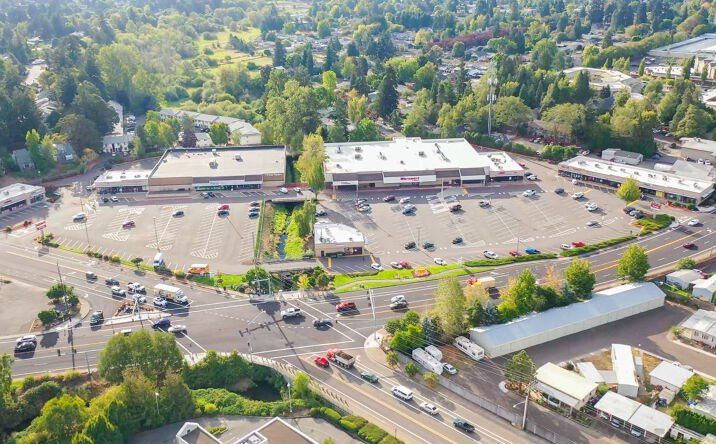
Hayesville is a community in Marion County, Oregon, with a population of 21,891 recorded in the 2020 census. It sits just outside the city limits of Salem, within the city's urban growth boundary, and is part of the wider Salem metropolitan area in the heart of the Willamette Valley.
The community is anchored by education and green surroundings. Chemeketa Community College operates its main campus in Hayesville, drawing students from across the region, and the area's parks and yards reflect the lush growth the valley is known for. That setting shapes daily life for residents here.
Chemeketa Community College stands as the community's largest institution and a major presence in local life. The Willamette River, winding through the valley nearby, is the defining geographic feature of the region. That river-valley climate, mild and wet, is exactly what lets local shrubs grow as vigorously as they do.
Our Services in Hayesville, OR
Happy Customers in Hayesville, OR
Why Pacific Northwest Shrubs Keep Coming Back
The Willamette Valley gets roughly 40 inches of rain a year, most of it spread across long, mild, wet months where the temperature rarely stops growth for good. That is close to ideal for aggressive shrubs. English laurel can add several feet of height in a single season, and Himalayan blackberry canes can grow more than 20 feet in a year, rooting again wherever a tip touches the ground.
The reason cutting fails is all below the surface. These shrubs store energy in extensive root systems and root crowns, so when the top is trimmed or cut to the ground, the plant simply pushes out new shoots from the roots it kept. Blackberry spreads even more relentlessly, sending runners underground and rooting new crowns several feet from the original plant. Without removing that root mass, every cutback just triggers denser regrowth.
Left alone, an invasive shrub reclaims the space and spreads into the rest of the yard. The only lasting fix is full removal at the root, pulling the root ball and grinding any remaining stump so nothing is left to resprout. Taking the plant out at its source is what finally ends the cycle of cut and regrow.
Why Cutting Back a Shrub Never Solves the Problem
There is a real difference between cutting a shrub and removing it, and it comes down to the roots. Trimming or cutting to ground level takes off the visible growth but leaves the root crown and root system fully intact underground. For a vigorous Pacific Northwest species, that surviving root mass is a reservoir of stored energy that pushes out fresh shoots within weeks, often thicker than before.
Homeowners often cut an overgrown laurel or blackberry back each year, thinking they are managing it, when they are really strengthening it. Repeated cutting can stimulate denser, bushier regrowth, and with blackberry, the underground runners keep spreading the whole time. The plant is not being controlled; it is being pruned into a hedge you never wanted, using your own effort as fertilizer.
The right approach removes the entire plant, root ball and all, and grinds the stump so nothing remains to regenerate. That is the difference between clearing a space once and fighting the same shrub every spring. Full root-level removal is exactly the work we do on every Hayesville property.
Why Hayesville Residents Trust J & J Stump & Tree Removal
Getting a shrub out for good means dealing with what is under the soil, and that is where three decades of local work show. We know how English laurel resprouts from its crown and how blackberry spreads through underground runners, so we remove the whole root system rather than just the top. Pulling the plant at its source is the only way to keep the cleared space from filling back in.
Our process starts with a careful on-site evaluation. We assess each shrub's size, type, and roots, and note its proximity to structures, fences, and underground utilities before we begin, then remove the shrub at the root, extract the root ball, and grind any stump left behind. We work with precision to protect nearby plants, turf, and hardscaping, and we leave the property clean when the job is done.
For homeowners, that means a yard actually reclaimed, not just trimmed back for a few months. Whether you are clearing overgrowth for new landscaping, removing invasive species, or opening up curb appeal, J & J Stump & Tree Removal brings experienced, root-deep removal to Hayesville. We would rather pull a shrub out once than watch you fight the same laurel or blackberry every spring.
Hire Us! Shrub Removal in Hayesville, OR
If you are tired of cutting the same shrub back every year, the answer is to take it out at the root once. Our overgrown shrub removal in Hayesville, OR, clears aggressive laurel, rhododendron, and blackberry for good by removing the whole plant, so you stop fighting regrowth and get your yard back. Doing it at the root is what makes the clearing last.
It begins with a look at the shrubs giving you trouble. We evaluate their size, roots, and surroundings, note any nearby utilities or hardscaping, and explain what removal will entail. Then we pull the plant, extract the root ball, and grind the stump if needed, leaving the area cleared and ready for whatever comes next, from new plantings to open lawn.
From a single stubborn hedge to whole beds cleared by professional shrub removal in Hayesville, OR, we handle it cleanly and completely. When you are ready for a free estimate, contact us.
faqs
Why does my shrub grow back after I cut it in Hayesville?
The Willamette Valley's 40 inches of yearly rain and mild climate fuel regrowth. Cutting leaves the roots intact, so Hayesville shrubs like laurel and blackberry resprout from the crown within weeks.
What shrubs are hardest to remove around here?
English laurel, rhododendron, and Himalayan blackberry are the toughest in Hayesville. Blackberry spreads through underground runners over 20 feet, so full root removal is the only way to stop it from returning.
Is shrub removal better than trimming?
For invasive Hayesville shrubs, yes. Trimming stimulates denser regrowth from surviving roots, while full removal takes the root ball out. That is the difference between clearing once and fighting yearly.
Do you remove the roots and stump, too?
Yes. We extract the root ball and grind any remaining stump, so nothing is left to resprout. For Hayesville yards, root-level removal keeps the whole cleared space genuinely clear afterward.
How do you protect my yard during removal?
We begin with an on-site evaluation, noting each shrub's distance from structures, fences, and utilities. Our Hayesville crew works carefully to protect nearby plants, turf, and hardscaping throughout the removal.
Can I replant after a shrub is removed?
Yes. Once the roots are out and the area cleared, the space is ready for replanting or landscaping. We advise Hayesville homeowners on what suits the spot before they replant.
Do you remove invasive species specifically?
Yes. Removing invasive species like Himalayan blackberry is a common Hayesville request. We take out the entire plant, including spreading runners and root crowns, so the invasive growth cannot re-establish.
How long does shrub removal take?
Most shrub removals take a few hours to a day, depending on size, root depth, and quantity. We give each Hayesville property a clear estimate after evaluating shrubs on site.