Land Clearing in Hayesville, OR
Overgrown ground has a way of turning a usable lot into a liability. Brush closes in on fence lines, volunteer trees crowd out whatever was planted on purpose, and root systems push toward septic lines, foundations, and driveway edges where they become expensive to reach. Clearing that ground is rarely a matter of cutting what shows above the surface. Stumps, root balls and buried debris have to come out or be ground down before the land can carry a building, a pasture or a drive. Doing it properly takes machinery, a disposal plan and someone who can tell a keeper tree from a hazard.
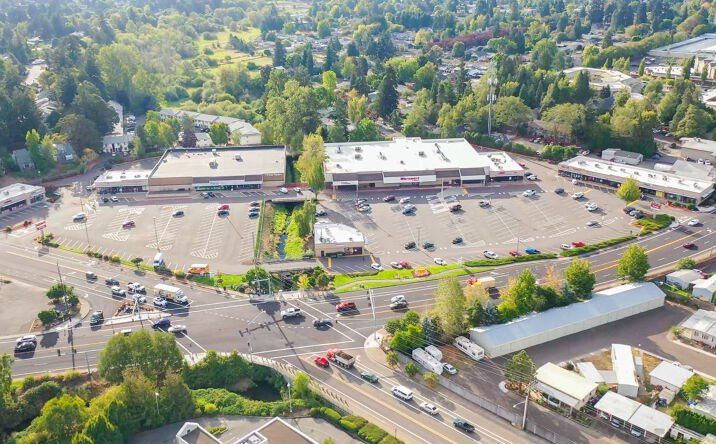
Built out to its edges, Hayesville holds roughly 7,500 housing units on about three square miles, with no rural pocket left inside it. Lots back onto neighbors, fences, and utility easements rather than open field, so there is seldom a wide margin to drop a tree into or stage a machine on. That shapes how clearing gets planned from the first walkthrough. Access routes, felling direction, and haul routes are settled before anything is cut, and the equipment has to be compact enough to reach the back of a property without chewing up the ground that stays.
We are J & J Stump & Tree Removal, and we have provided experienced land clearing in Hayesville, OR for over 30 years. A certified arborist is available on our jobs, which matters when the real question is not whether a tree can come down but whether it should. Properties get walked before a quote goes out, because the equipment that suits an open half acre is the wrong choice for a fenced backyard with a shed in the way. We are licensed and insured; we take insurance work, and estimates are free.
About Hayesville, OR
Hayesville is a census-designated place in Marion County, Oregon, sitting just outside the Salem city limits but inside that city's urban growth boundary. Downtown Salem lies roughly five miles to the southwest. The 2020 census counted 21,891 residents across about three square miles of land, at an elevation of 187 feet.
Interstate 5 forms part of the western boundary, Oregon Route 99E crosses the northwest corner on its way toward Woodburn, and Oregon Route 213 runs through the south end toward Silverton. Chemeketa Community College keeps its main campus here, which anchors a steady flow of traffic through the middle of the community.
Claggett Creek, a tributary of the Willamette River, drains westward out of the community, while the West Fork of the Little Pudding River runs east. Housing is dense for the county, with 7,567 units counted in 2020 against a vacancy rate near three percent. The median age that year was 32.6, and the census recorded no rural population at all.
Our Services in Hayesville, OR
Happy Customers in Hayesville, OR
Blackberry, Ivy and the Growth That Slows Hayesville Land Clearing
Blackberry thickets and English ivy are the two invasives that turn a straightforward lot into a long job here. Both spread by runners and roots rather than by seed, so cutting the visible growth resets the clock without settling anything. A thicket mowed flat in spring is back above knee height by late summer.
Removing them properly means taking out the root mass, not just the canes. Ivy climbing a trunk must be cut at the base and traced back to where it took hold, and blackberry crowns sit deep enough that a brush cutter will not reach them. Skipping that leaves a lot cleared for one season only.
Selective work complicates matters, since mature natives often stand inside the same tangle. Crews on a Hayesville lot have to separate what is worth keeping from what is choking it out, protect the root zones of trees that stay, and keep machine traffic off the ground around them. In the wrong order, the invasive goes and a healthy tree with it.
How a Lot Gets Sequenced Before and After Land Clearing
Site work usually begins well before a machine comes off the trailer. The property is walked, the keep list and the removal list get marked, and underground utilities are located so nothing is cut or crushed. Properties sitting near creeks, wetlands, or protected habitat often need permits first, and that is worth settling before the schedule is set.
Forestry mulchers, brush cutters, chainsaws, and stump grinders each handle a different part of the job. A mulcher chews standing brush into a layer that stays on site and helps hold soil in place. Stump grinders take a stump below grade so the ground can be graded, planted, or built on. Choosing badly leaves ruts that have to be repaired afterward.
Debris is the part most people underestimate. Cut material can be chipped and left as mulch, hauled away entirely, or stacked for firewood, and that choice changes how the day is staged and what the lot looks like at the end. Ground being prepped for construction needs everything gone, while pasture and trail projects often keep the chip where it falls.
Why Hayesville Residents Trust J & J Stump & Tree Removal
For over 30 years, J & J Stump & Tree Removal has provided dependable land clearing in Hayesville, OR, and the work has stayed local that entire time. Repeat customers and referrals still bring in most of what we do, which only happens when a lot looks right after the trucks pull out.
Licensed and insured on every job, we also take insurance work, so storm damage and claim work get handled without a homeowner coordinating two separate outfits. A certified arborist is available when a tree's condition is genuinely in question, and hazard evaluation is something we offer rather than a verbal guess at the curb.
Equipment counts as much as experience on tight ground. We run forestry mulchers, brush cutters, and stump grinders, and we buy from manufacturers whose products carry their own warranties. Free estimates mean a property owner can find out what a lot actually needs before committing to anything, and senior discounts are available as well.
Hire Us! Expert Land Clearing in Hayesville, OR
Getting expert land clearing in Hayesville, OR from J & J Stump & Tree Removal starts with a walkthrough rather than a number over the phone. We look at access, slope, what is growing where, and what you want the ground to do once it is open. A half-acre cleared for a shop pad and a backyard reclaimed from blackberry are two different jobs.
Give us a call, and we will set a time to come out and look. Photos or video of the property help us arrive with the right machine already on the trailer. Estimates are free, and we will say plainly if part of what you want makes more sense as a second phase.
Pasture expansion, construction site prep, driveway and trail cutting, invasive removal, and storm cleanup all come through the same crew. Over 30 years has taught us where jobs go sideways, and most of it traces back to something nobody checked before the first cut. We would rather find that on the walkthrough.
faqs
1. Does a property need to be surveyed before clearing begins?
Not always, though knowing where your lines run saves trouble later. J & J Stump & Tree Removal walks the boundaries with you first, and if the edges are unclear, we will recommend confirming them before any machine work on that side.
2. What happens to the trees and brush once they come down?
You choose. We can chip the material and leave it as mulch, haul everything off, or stack usable wood. Ground being prepped for building needs it all gone, while pasture and trail work often keeps the chip on site.
3. Can part of a lot be cleared while the rest is left alone?
Yes, and selective clearing is common on residential ground. We mark what stays and what goes with you before starting, then keep equipment away from the root zones of the trees you want to protect so they are not damaged.
4. Will the ground be level enough to build on afterward?
Clearing and grading are separate steps. We take stumps below grade with a grinder and remove root balls so the surface is workable, but final grade for a foundation or slab is set by whoever prepares the pad for construction.
5. How is a tree judged hazardous rather than simply inconvenient?
Condition decides it. Lean, dead limbs, trunk cavities, root damage, and what the tree could reach if it failed all matter. A certified arborist is available on our jobs, and hazard evaluation is one of the services we offer for this question.
6. Does clearing leave the soil exposed to erosion?
It can if nothing is done about it. Leaving mulched material on site is the simplest protection, since that layer holds the surface until something is growing again. We will talk through what makes sense for your slope before work begins.
7. What can be done about stumps left behind by earlier clearing work?
Those get ground out the same as fresh ones. Older stumps are often harder to spot once grass has grown over them, so mark what you know about, and we will locate the rest during the walkthrough.
8. How do I get an estimate for land clearing?
Give us a call, and we will arrange a time to come out and see the property. Estimates are free. Sending a few photos ahead of the visit helps us understand the access and vegetation before we pull into the driveway.